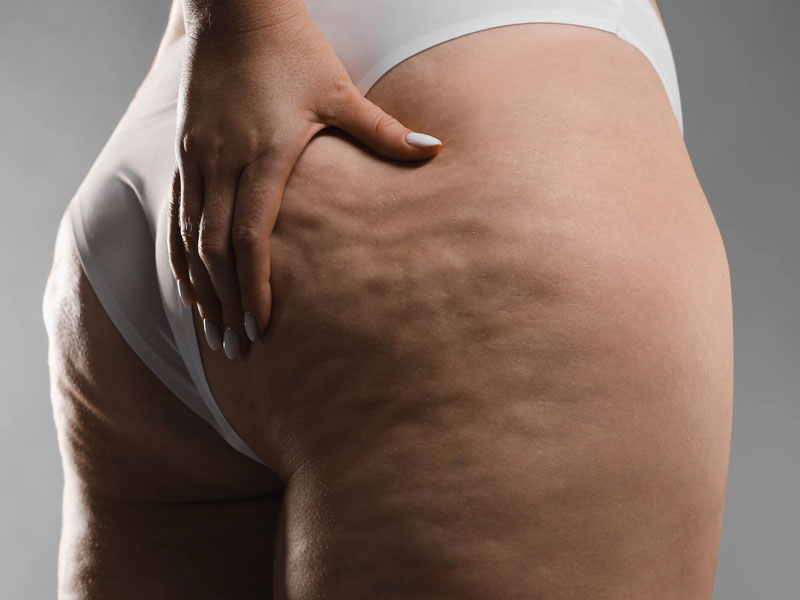
Understanding the Causes, Appearance, and Contributing Factors of Cellulite
What is cellulite, you ask? Ah yes, the ever-pesky cellulite. So many patients ask what is cellulite on a daily basis, and usually, the question is followed by another: “How can I get rid of cellulite?” Despite being one of the most common cosmetic concerns among women, cellulite remains one of the most misunderstood conditions. It’s not a disease, and it’s not necessarily related to weight or lifestyle. Instead, cellulite is a natural phenomenon that occurs beneath the surface of the skin, but understanding what is cellulite and why it forms can help demystify it and guide you toward effective solutions.
What is Cellulite
Cellulite is a term used to describe fat deposits beneath the skin that cause the surface to appear uneven, dimpled, or puckered, much like the texture of an orange peel or cottage cheese. This dimpling is caused by structural changes in how fat, connective tissue, and skin interact with one another.
The skin is attached to the underlying muscle by fibrous connective tissue known as septa. Between these connective bands are small pockets or chambers filled with fat cells. When the fat cells enlarge or the connective tissue bands tighten and pull downward, the skin above them can become uneven. The result is the familiar dimples and lumps associated with cellulite.
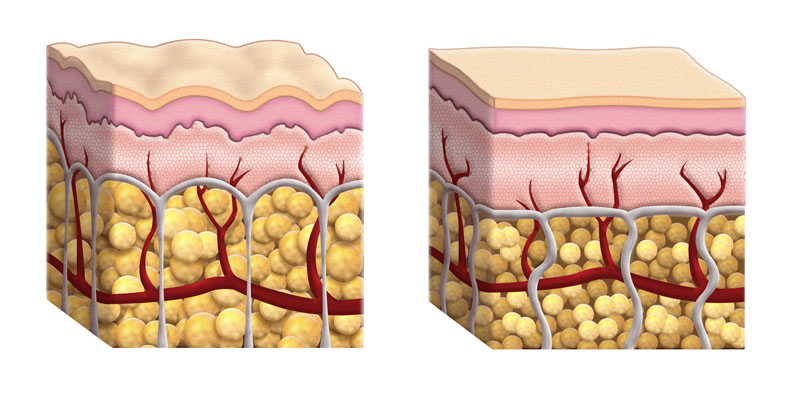
While both men and women can develop cellulite, it is far more common in women due to the way female fat and connective tissue are structured. In women, the connective tissue forms vertical columns that create chambers for fat cells, whereas in men, the connective tissue is arranged in a more crisscrossed pattern, making the surface of the skin less likely to dimple. This is what the Mayo Clinic says about cellulite
The Science Behind Cellulite Formation
To truly answer the question “What is cellulite?” It’s important to look beneath the skin’s surface.
- Structure of the Skin:
The skin consists of three main layers. The epidermis (outer layer), dermis (middle layer), and subcutaneous fat layer (beneath the skin). Within the fat layer, fibrous connective cords tether the skin to the underlying muscle, creating compartments for fat cells. - Fat Cell Expansion:
When fat cells in these compartments enlarge due to weight gain, hormonal changes, or even genetics, they push upward against the skin. - Tightened Connective Bands:
At the same time, the connective tissue bands may stiffen or shrink, pulling the skin downward. The combination of upward pressure from expanding fat cells and downward tension from the connective tissue creates the classic dimpled appearance of cellulite. - Circulation and Fluid Retention:
Poor blood flow and lymphatic drainage can also contribute to cellulite formation by allowing fluid and toxins to build up in the tissue, which may worsen the uneven texture.
Why Women Are More Prone to what is Cellulite
Women are usually the ones who ask “what is cellulite” because they are the ones who experience it. Approximately 80 to 90 percent of women will experience some degree of cellulite during their lifetime, regardless of their size or shape. The reason lies in biology.
- Hormonal Factors: Estrogen plays a significant role in what is cellulite. As estrogen levels fluctuate, during puberty, pregnancy, or menopause, circulation in the connective tissue may decrease, weakening collagen and allow fat cells to expand more easily.
- Fat Distribution: Women naturally store more fat in the hips, thighs, and buttocks, areas where cellulite most commonly appears.
- Thinner Skin: As women age, the skin loses elasticity and becomes thinner, making the underlying fat deposits more visible.
Genetics and Lifestyle
Cellulite is not just about weight or diet, genetics play a major role. If your mother or grandmother had cellulite, chances are you will too. Certain genetic factors influence your skin structure, body fat distribution, and even how your body metabolizes fat, all of which can affect what is cellulite and how visible is appears.
However, lifestyle choices can either minimize or worsen its appearance. Factors such as:
- Lack of Exercise: A sedentary lifestyle weakens muscle tone and reduces circulation, both of which can contribute to cellulite.
- Diet: Diets high in processed foods, sugar, and salt can promote fluid retention and fat accumulation.
- Smoking: Smoking impairs blood flow and collagen production, making cellulite more noticeable.
- Dehydration: When the skin is dehydrated, it becomes thinner and less elastic, which can accentuate dimpling.
Areas Most Affected by Cellulite
Cellulite tends to appear in specific areas where fat accumulation and connective tissue patterns make dimpling more visible. These areas include:
- Thighs
- Buttocks
- Hips
- Abdomen
- Upper arms
Even lean individuals may notice cellulite in these areas because the condition is more about structural changes beneath the skin than about the total amount of fat.
Can Cellulite Be Prevented or Treated?
While cellulite cannot always be completely prevented, there are ways to minimize its appearance. A combination of healthy habits, topical treatments, and professional procedures may help smooth and tighten the skin.
- Exercise and Muscle Toning: Regular exercise helps reduce fat, improve circulation, and strengthen the connective tissue beneath the skin.
- Hydration: Drinking plenty of water keeps the skin supple and reduces fluid retention.
- Topical Creams: Some creams contain caffeine or retinol, which may temporarily improve the appearance of cellulite by tightening the skin and promoting collagen production.
- Medical Treatments: Advanced treatments such as laser therapy, radiofrequency, acoustic wave therapy, or subcision (a minor surgical procedure that releases the fibrous bands) can help reduce cellulite’s appearance more effectively.
If you are struggling with cellulite, schedule a consultation with Dr. Csikai and learn more about the cellulite treatments that are available at First Coast Plastic Surgery.
Schedule A Personal Consultation.
904.730.5052
First Coast Plastic Surgery is one of your best options for Jacksonville plastic surgery and med spa treatments. Dr. Csikai is a highly trained and experienced board certified plastic surgeon who is very attentive to his patient’s goals and desires. Meet with Dr. Csikai and you will quickly learn why he is one of Northeast Florida’s most sought after plastic surgeons.
Schedule A Personal Consultation.
904-730-5052
First Coast Plastic Surgery is one of your best options for Jacksonville plastic surgery and med spa treatments. Dr. Csikai is a highly trained and experienced board certified plastic surgeon who is very attentive to his patient’s goals and desires. Meet with Dr. Csikai and you will quickly learn why he is one of Northeast Florida’s most sought after plastic surgeons.