BREAST AUGMENTATION
JACKSONVILLE, FLORIDA
BREAST AUGMENTATION
JACKSONVILLE, FLORIDA
Over vs Under Muscle Breast Implants
Choosing between over vs under muscle breast implants is one of the most important decisions you will make during the breast augmentation planning process. The location of the implant affects not only your final appearance, but also the way the implants feel, how much soft tissue covers them, and which surgical approach is most appropriate for your anatomy. When I discuss over vs under muscle breast implants with patients, my goal is to explain the advantages, limitations, and long-term considerations of each technique so you can make an informed decision based on sound medical guidance rather than online opinions or photographs alone.
Understanding over vs under muscle breast implants begins with the anatomy of the breast and chest wall. In over-the-muscle, (subglandular) placement, the implant is positioned beneath the natural breast tissue and above the pectoralis major muscle. In under-the-muscle, (subpectoral or dual-plane) placement, the implant is positioned partially beneath the pectoralis major muscle, providing additional soft tissue coverage over the upper portion of the implant. Each technique has specific indications and may be better suited for certain patients depending on breast tissue thickness, skin quality, chest dimensions, and cosmetic goals.
There is no universally “best” implant position. My recommendation is based on a comprehensive physical examination, careful breast measurements, and a discussion of your lifestyle and expectations. Evaluating over vs under muscle breast implants is an individualized process because the implant position that produces the safest procedure and the most natural-looking, long-lasting result for one patient may not be the ideal choice for another. My responsibility is to help you understand your options so together we can select the implant placement that best complements your anatomy and desired outcome.
Key Topics
- Understanding Breast Implant Placement
- Pros and Cons of Over the Muscle, (Subglandular) Implant Placement
- Pros and Cons of Under the Muscle, (Submuscular) Implant Placement
- Which Placement Looks More Natural?
- Recovery Differences Between Implant Placement Options
- David N. Csikai, M.D.
- What Our Patients Are Saying.
- Schedule A Personal Consultation.
Over vs Under Muscle Breast Implants
Choosing between over vs under muscle breast implants is one of the most important decisions you will make during the breast augmentation planning process. The location of the implant affects not only your final appearance, but also the way the implants feel, how much soft tissue covers them, and which surgical approach is most appropriate for your anatomy. When I discuss over vs under muscle breast implants with patients, my goal is to explain the advantages, limitations, and long-term considerations of each technique so you can make an informed decision based on sound medical guidance rather than online opinions or photographs alone.
Understanding over vs under muscle breast implants begins with the anatomy of the breast and chest wall. In over-the-muscle, (subglandular) placement, the implant is positioned beneath the natural breast tissue and above the pectoralis major muscle. In under-the-muscle, (subpectoral or dual-plane) placement, the implant is positioned partially beneath the pectoralis major muscle, providing additional soft tissue coverage over the upper portion of the implant. Each technique has specific indications and may be better suited for certain patients depending on breast tissue thickness, skin quality, chest dimensions, and cosmetic goals.
There is no universally “best” implant position. My recommendation is based on a comprehensive physical examination, careful breast measurements, and a discussion of your lifestyle and expectations. Evaluating over vs under muscle breast implants is an individualized process because the implant position that produces the safest procedure and the most natural-looking, long-lasting result for one patient may not be the ideal choice for another. My responsibility is to help you understand your options so together we can select the implant placement that best complements your anatomy and desired outcome.
Key Topics
- Understanding Breast Implant Placement
- Pros and Cons of Over the Muscle, (Subglandular) Implant Placement
- Pros and Cons of Under the Muscle, (Submuscular) Implant Placement
- Which Placement Looks More Natural?
- Recovery Differences Between Implant Placement Options
- David N. Csikai, M.D.
- What Our Patients Are Saying.
- Schedule A Personal Consultation.
Over vs Under Muscle Breast Implants
Choosing between over vs under muscle breast implants is one of the most important decisions you will make during the breast augmentation planning process. The location of the implant affects not only your final appearance, but also the way the implants feel, how much soft tissue covers them, and which surgical approach is most appropriate for your anatomy. When I discuss over vs under muscle breast implants with patients, my goal is to explain the advantages, limitations, and long-term considerations of each technique so you can make an informed decision based on sound medical guidance rather than online opinions or photographs alone.
Understanding over vs under muscle breast implants begins with the anatomy of the breast and chest wall. In over-the-muscle, (subglandular) placement, the implant is positioned beneath the natural breast tissue and above the pectoralis major muscle. In under-the-muscle, (subpectoral or dual-plane) placement, the implant is positioned partially beneath the pectoralis major muscle, providing additional soft tissue coverage over the upper portion of the implant. Each technique has specific indications and may be better suited for certain patients depending on breast tissue thickness, skin quality, chest dimensions, and cosmetic goals.
There is no universally “best” implant position. My recommendation is based on a comprehensive physical examination, careful breast measurements, and a discussion of your lifestyle and expectations. Evaluating over vs under muscle breast implants is an individualized process because the implant position that produces the safest procedure and the most natural-looking, long-lasting result for one patient may not be the ideal choice for another. My responsibility is to help you understand your options so together we can select the implant placement that best complements your anatomy and desired outcome.
Key Topics
- Understanding Breast Implant Placement
- Pros and Cons of Over the Muscle, (Subglandular) Implant Placement
- Pros and Cons of Under the Muscle, (Submuscular) Implant Placement
- Which Placement Looks More Natural?
- Recovery Differences Between Implant Placement Options
- David N. Csikai, M.D.
- What Our Patients Are Saying.
- Schedule A Personal Consultation.
Understanding Breast Implant Placement
One of the most important differences between over vs under muscle breast implants is the amount of natural tissue covering the implant. With over-the-muscle, or subglandular placement, the implant is positioned beneath the breast tissue but above the pectoralis major muscle. Because there is less tissue between the implant and the skin, the implant may create more upper-pole fullness and a more defined breast contour. This approach is often most appropriate for women who already have adequate natural breast tissue to provide sufficient implant coverage.
With under-the-muscle placement, which is most commonly performed using a dual-plane technique, the upper portion of the implant is covered by the pectoralis major muscle while the lower portion rests beneath the breast tissue. This additional soft tissue coverage can help reduce the visibility or palpability of implant edges and may decrease the appearance of rippling in patients with thinner breast tissue. When comparing over vs under muscle breast implants, these anatomical differences often have a greater influence on the final result than the implant itself.
Another important consideration is how the implants behave during everyday activities. Because the pectoralis muscle partially covers the implant in under-the-muscle placement, some patients notice mild implant movement during forceful chest muscle contraction, a phenomenon known as animation deformity. Over-the-muscle implants generally do not exhibit this type of movement because they are not influenced by the pectoralis muscle. This may be an important consideration for women who regularly participate in weight training, competitive athletics, or other activities that heavily engage the chest muscles.
There is no single implant position that is ideal for every patient. My recommendation regarding over vs under muscle breast implants is based on your breast measurements, skin elasticity, tissue thickness, chest wall anatomy, lifestyle, and aesthetic goals. Careful preoperative planning allows me to select the implant position that is most likely to provide a natural appearance, long-term stability, and a result that complements your individual anatomy.
Pros and Cons of Over the Muscle, (Subglandular) Implant Placement
When discussing over vs under muscle breast implants, over-the-muscle, or subglandular, placement offers several advantages for appropriately selected patients. Because the pectoralis major muscle is not elevated during surgery, recovery is often more comfortable, with less muscle-related soreness during the early healing period. Patients who regularly participate in weight training or other activities that heavily use the chest muscles may also appreciate that the implants are not influenced by muscle contraction, eliminating the possibility of animation deformity. In some patients, this approach can also create greater upper-pole fullness and more defined cleavage.
The success of subglandular placement depends largely on the amount of natural breast tissue available to cover the implant. Women with adequate breast tissue often achieve excellent, natural-looking results because the existing tissue helps conceal the implant and provides a smooth transition across the upper breast. For this reason, one of the most important factors I evaluate when comparing over vs under muscle breast implants is the thickness of your breast tissue and the quality of your skin.
Subglandular placement also has limitations that should be considered during surgical planning. Because there is less soft tissue covering the implant, women with thinner breast tissue may have a greater likelihood of visible implant edges, palpable implants, or rippling, particularly in the upper portion of the breast. Although these concerns do not occur in every patient, they are important considerations when selecting the most appropriate implant position.
Another topic I review during consultation is capsular contracture, a condition in which scar tissue surrounding the implant becomes unusually firm and may affect breast shape or comfort. While advances in implant design and surgical technique have reduced the overall incidence, published studies have suggested that the risk may be somewhat higher with subglandular placement in certain patients. My recommendation regarding over vs under muscle breast implants is always based on balancing these potential advantages and considerations with your anatomy, lifestyle, and long-term aesthetic goals.
Pros and Cons of Under the Muscle, (Submuscular) Implant Placement
When comparing over vs under muscle breast implants, under-the-muscle placement is frequently recommended for women who have thinner breast tissue or who desire the most natural transition between the upper chest and the breast. In most breast augmentations, I use a dual-plane technique in which the upper portion of the implant is covered by the pectoralis major muscle while the lower portion is supported by the natural breast tissue. This approach provides additional soft tissue coverage, helping to create a smooth upper breast contour while reducing the visibility and palpability of the implant in appropriately selected patients.
Another advantage of under-the-muscle placement is that the additional tissue coverage may reduce the appearance of implant rippling and has been associated in some studies with a lower incidence of capsular contracture compared with subglandular placement. Because the implant is positioned deeper beneath the breast tissue, mammographic imaging may also allow improved visualization of native breast tissue, although it remains important to inform your imaging facility that you have breast implants so appropriate imaging techniques can be used.
Like every surgical approach, under-the-muscle placement also has potential disadvantages. Recovery may involve more muscle soreness, tightness, and temporary discomfort because the pectoralis major muscle is partially elevated during surgery. Some patients also experience animation deformity, in which the implant moves slightly during forceful contraction of the chest muscle. While this movement is often mild, it can be more noticeable in women who frequently perform weight training or other activities requiring repetitive pectoral muscle use.
The decision between over vs under muscle breast implants should never be based on a single advantage or disadvantage. Instead, I consider your breast anatomy, tissue thickness, skin elasticity, activity level, and aesthetic goals to determine which implant position is most likely to provide a natural appearance, long-term stability, and a result that complements your body.
Which Placement Looks More Natural?
One of the most common questions I receive about over vs under muscle breast implants is which placement creates the most natural appearance. The answer depends far more on your anatomy than on the implant position itself. Factors such as the amount of existing breast tissue, skin thickness, chest dimensions, implant size, and body proportions all influence the final result. My goal is to recommend the implant position that will best complement your natural anatomy rather than applying the same approach to every patient.
For women with thinner breast tissue, under-the-muscle placement often produces a smoother transition across the upper portion of the breast because the pectoralis major muscle provides additional coverage over the implant. This extra layer of tissue can help minimize visible implant edges and reduce the appearance of rippling. In contrast, women with adequate natural breast tissue frequently achieve equally natural results with over-the-muscle placement because their existing tissue provides sufficient implant coverage without relying on the chest muscle.
When evaluating over vs under muscle breast implants, I do not focus solely on implant position. I also consider implant size, profile, breast measurements, skin elasticity, and the quality of your soft tissue envelope. A carefully selected implant placed in the most appropriate anatomical position will generally produce a more natural result than simply choosing one placement over another. My recommendation is always based on creating balanced breast proportions, preserving long-term support, and achieving an appearance that looks natural both in and out of clothing.
Recovery Differences Between Implant Placement Options
Recovery is another important consideration when comparing over vs under muscle breast implants, although every patient heals at a different pace. In general, women who undergo over-the-muscle implant placement experience less muscle-related discomfort during the first several days after surgery because the pectoralis major muscle is not elevated. Many patients are able to resume light daily activities within about a week, although I still recommend avoiding strenuous exercise, heavy lifting, and upper-body workouts until healing has progressed appropriately. Swelling and bruising are expected after either procedure and gradually improve over the following weeks.
Under-the-muscle implant placement typically involves a somewhat longer initial recovery because the pectoralis major muscle is partially elevated to create the implant pocket. During the first week, patients commonly experience additional tightness, muscle soreness, and temporary restriction with certain arm movements. These symptoms improve as healing progresses, but returning to vigorous exercise and activities that heavily engage the chest muscles may require additional time compared with over-the-muscle placement. I provide individualized postoperative instructions based on your procedure and closely monitor your recovery through scheduled follow-up visits.
When evaluating over vs under muscle breast implants, it is also helpful to understand that implants do not reach their final position immediately after surgery. As swelling subsides and the surrounding tissues gradually relax, the implants settle into a more natural position, a normal process often referred to as “drop and fluff.” This typically occurs more gradually with under-the-muscle placement because the pectoralis muscle must adapt to the implant over time. While recovery timelines vary from patient to patient, following your postoperative instructions and attending all follow-up appointments are among the most important steps you can take to promote proper healing and achieve the best possible long-term result.
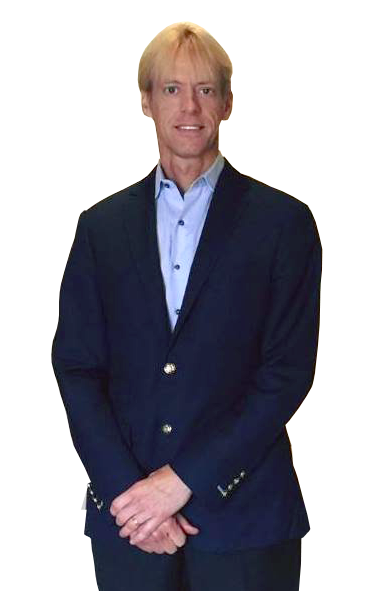
David N. Csikai, M.D.
Dr. Csikai is a board certified plastic surgeon who is recognized by the American Board of Plastic Surgery and is also a member of the American Society of Plastic Surgeons.
In his 30+ years of training and experience, Dr. Csikai has performed over 6,000 plastic surgery procedures beginning with his general surgery training at the University Medical Center, here in Jacksonville, while receiving his certificate in plastic surgery at the University of Kansas Medical Center, and during an additional year of cosmetic and reconstructive surgery at the Charlotte Plastic Surgery Center in Charlotte, NC where gained extensive experience with endoscopic surgery and laser surgery.
Dr. Csikai relocated to Jacksonville in 2000 and began First Coast Plastic Surgery in 2001. Dr. Csikai’s experience coupled with his commitment to achieving his patient’s goals has made Dr. Csikai one of Northeast Florida’s most sought after plastic surgeons.
David N. Csikai, M.D.
Dr. Csikai is a board certified plastic surgeon who is recognized by the American Board of Plastic Surgery and is also a member of the American Society of Plastic Surgeons.
In his 30+ years of training and experience, Dr. Csikai has performed over 6,000 plastic surgery procedures beginning with his general surgery training at the University Medical Center, here in Jacksonville, while receiving his certificate in plastic surgery at the University of Kansas Medical Center, and during an additional year of cosmetic and reconstructive surgery at the Charlotte Plastic Surgery Center in Charlotte, NC where gained extensive experience with endoscopic surgery and laser surgery.
Dr. Csikai relocated to Jacksonville in 2000 and began First Coast Plastic Surgery in 2001. Dr. Csikai’s experience coupled with his commitment to achieving his patient’s goals has made Dr. Csikai one of Northeast Florida’s most sought after plastic surgeons.
More About Breast Augmentation In Jacksonville FL
At First Coast Plastic Surgery
I have created a series of educational resources to help you better understand the key aspects of breast augmentation and the decisions involved in planning your procedure. Over the years, I have found that many patients share the same questions about implant selection, surgical techniques, recovery, expected results, and long-term care. My goal is to provide accurate, evidence-based information that helps you understand your options before your consultation so you can make informed decisions with realistic expectations. While these pages answer many of the questions I hear most often, every patient is unique, and I will tailor my recommendations to your anatomy, medical history, and aesthetic goals during your personal consultation.
What Our Patients Are Saying.

 Posted on Google
 Brandy dale17 October 2026From the moment I walked in the office I knew it was going to be a great experience. This has been by far the best surgery experience I have had. All of the staff are warm and welcoming. Dr. Csikai is the BEST! Not only are his surgical skills top notch but his bedside manner is outstanding. His anesthesiologist is amazing and has a great personality! Montana is so sweet and helpful.Posted on Google
 Cindy Collins16 October 2026All of office staff very friendly, caring and compassionate. Dr. Csikai awesome and very skilled.Posted on Google
 Nicole Dooley15 October 2026The administrative and surgical teams provided exceptional support throughout the entire process. The physician demonstrated a high level of professionalism, and my overall experience from the initial consultation through the surgery was excellent.Posted on Google
 Maddie Hurley1 October 2026The Dr and staff were amazing!Posted on Google
 Robin Young21 September 2026Dr Csikai and his staff are wonderful. He did amazing job, I experienced no pain and the results are outstanding. I highly recommend him.Posted on Google
 Roz Smyth19 September 2026Thank you for your expertise and caring approach. All staff were amazing and patient. The professionalism and surgical skill helped me go into this surgery completely calm. I highly recommend this office!Posted on Google
 Jocelyn Vonesh13 September 2026I can't thank Dr. Csikai and his team enough. I had been considering a breast augmentation for close to 20 years and finally decided to pull the trigger and get them done. From the very beginning, they were communicative and had a very relaxed vibe in the office that made me feel at ease. They were also able to get me in quickly during my preferred timeline as I am getting married in December and am hopeful that these will drop and fluff nicely! We also took care of an almost 17 year old C Section scar that was giving me a bit of a shelf that made me self conscious. I'm only 3 days post op and feel amazing without pain meds. I can't wait for the one week follow up appointment to get the steri strips off to see how the incisions look and hopefully soon start some scar therapy treatment. It's a huge adjustment (literally, lol) but I already feel much more confident. I highly recommend Dr. Csikai and his ENTIRE team, as each person I encountered there was absolutely wonderful.Posted on Google
 Doris Graves3 September 2026I was well taken care of medically and give great care. Everything was explained to me,and gave me great confidence in my surgery. The staff was very kind an made me feel like I was familyPosted on Google
 Miranda Mills1 September 2026From the moment I walked in, the front office always greeted me with a smile and made me feel completely comfortable. Montana deserves a special shoutout because she is truly the star of the show. I asked A LOT of questions, made A LOT of phone calls, and she never once made me feel like I was being too much. She held my hand through this entire process and somehow always knew exactly how to calm my anxiety. I’m so grateful for her. And Dr. CK… he took my biggest insecurity and turned it into something I’m actually proud to show off. That alone means more to me than I can put into words. He’s also answered my calls after hours multiple times and never once made me feel like an inconvenience. I’m still healing, and things are still settling, but I can trust the process because I trust this team. I truly couldn’t have asked for better care or better people in my corner. ❤️Posted on Google
 Adrienne Gilliam28 August 2026Consultation and scheduling was easy! Dr C was honest and overall provided a lot of information. Once surgery has been completed I will update my progress and results. ❤️Posted on Google
 Kelli29 July 2026Dr. Csikai and staff are wonderful. Appointments are always on time, and I never have to wait. Highly recommendPosted on Google
 Michelle Holton27 July 2026Excellent care from everyone.Posted on Google
 Charlotte Gordon17 June 2026This was my second round of surgery, and it was business as usual!! The Staff is always very nice and courteous as well as professional! They talked me through every step in the process and what to expect afterwards. Dr Csikai is the best!Posted on Google
 Laura Lampe12 June 2026From start to finish my experience was top notch. Friendly, compassionate staff. Prompt and thorough care.Posted on Google
 Xtina725 June 2026Very beautiful, nice and friendly office. The doctor and ladies made me feel comfortable and important. I am super excited for surgery. Im counting down the days!!!Posted on Google
 Bryanna Lauer5 June 2026This is my second time going to Dr. Csikai. I have been extremely pleased with him and his staff both times, which is why I chose to go back to him. He listened to what I wanted and never tried to “upsell” me or talk me into doing anything other than what I came to do. The office staff were timely with communication and always got back to me when I had a question. Montana was excellent and very helpful getting our payments set up. I would highly recommend Dr. Csikai and First Coast Plastic Surgery.Posted on Google
 Diana DeWees2 June 2026I always love going to see Dr CK and his group. He has a wonderful bedside manner and is a great physician. Thank you for a great visit.Posted on Google
 BreAna Bateman30 May 2026Everyone at Dr.CK office is amazing!! They provide excellent results along with amazing bedside manner! Thank you for helping me regain confidence in myself!Posted on Google
 Jacquelyn Cannon30 May 2026I received excellent service from beginning to end.Posted on Google
 cristina torres22 May 2026Great staff and excellent Dr.. very patient and caring.Posted on Google
 Tammy15 May 2026Amazing! Courteous and friendly from the front desk to the visit with the doctor and out the door. Informative with all questions. Top notch! Love Montana❤️Posted on Google
 I F14 May 2026Good experience. Dr. Csikai is very patient. He addressed all of my concerns. He even followed up with me post-op via phone daily to make sure I was doing okay at home. Staff is very kind and knowledgeable. They definitely made me feel at ease about the process of breast augmentation.Posted on Google
 Deborah Rinders21 April 2026Dr David N Csikai is a phenomenal Doctor . He is very trustworthy . My experience with his work has been profound , excellent and satisfactory ! He is very attentive , respectful and caring . I feel very comfortable with him . I get nothing but compliments on everything he has done .Posted on Google
 Andrew Thompson15 April 2026Dr Csikai is a True Professional, and his Beautiful Staff are as good as they get.!Posted on Google
 Faith Judson11 April 2026There's nowhere id rather go!! Always perfection!!Posted on Google
 LATANYA ISIADINSO9 April 2026My experience was a fabulous everything was explained to me very wellPosted on Google
 Beth Alexander2 April 2026Dr. Csikai and his entire team are absolutely amazing. Very professional. Extremely compassionate. Top tier care was given to me every step of the way. I would recommend this practice to anyone wanting or needing plastic surgery.Posted on Google
 Rebecca Bradley1 April 2026All staff were extremely polite. Very good atmosphere and Dr. Ck was phenomenal. This was my 3rd consult in my search for a mommy makeover and I finally found my surgeon. I am a nurse of 26 years so I know excellence in the industry when I see it.Posted on Google
 Jess Hunter26 March 2026I wouldn’t go anywhere else!!! I’m less than 24 hours post opp and I’m already obsessed with them! Dr.CK and staff are AMAZING! I was soooo nervous and they made me feel so comfortable!!! I will use Dr . CK for any future surgeries also!! I asked and he delivered exactly what I wanted! Love this practice and everything about it! 10000/10 recommendPosted on Google
 michelle wade25 March 2026I’ve had a few procedures done by Dr. Csikai, and I couldn’t be happier with my results. From the very beginning, he has been incredibly patient and attentive, always taking the time to truly listen to what I want and making me feel comfortable and confident in my decisions. The entire experience has been consistently positive, thanks not only to Dr. Csikai’s skill and professionalism but also to his wonderful medical staff, who are always kind, welcoming, and supportive. I have never had a negative experience, and I highly recommend Dr. Csikai to anyone considering a plastic surgeon.Posted on Google
 Rebecca Argueta11 March 2026I love Dr Csikai and this practice! I got a breast reduction and lipo done back in January. Recovery has been tough for me personally but I love the office and I recommend them to anyone that’s looking to get work done. It’s a strong team and I think they’re all great! From the initial phone call up to aftercare and appointments after surgery I’m happy I went this route with Dr Csikai! Recovery was hard and trusting the process can definitely be difficult but I am LOVING my results. One thing I really respect from Dr Csikai is that he really worked Lipo to fit my body type. I’m a thicker women and he sculpted me out so nicely. He really catered to my body type and was very honest about what breast size would be complimentary to my body while still taking into account that I want to be smaller. I wouldn’t want my breasts done any other way. I absolutely love them and my confidence has increased tremendously! Montana has been amazing with all my questions and concerns and just taking the time to hear me out! Truly thank you guys so much! If you’re looking for a place to get work done this is definitely the place! I really appreciate you all! Also last thing I want to add is he is the surgeon and does the work but to get the best results with Lipo I do believe comes with the responsibility of the patient. So wear the compression garments, get the lymphatic massages, use arnica, and use the foams in the garments. It makes a difference! There’s a lot I believe the patient can do to get the best results. Surgeries are investments but so is the aftercare. Save your pennies and plan accordingly. And most importantly, trust the process it takes time. I’m 2 months post opp and still wearing my garments all the time because I want the best results. He did his job so I do believe it’s the patients job to really take that aftercare seriously. You’ll tanks yourself later for it! Thank you Dr Csikai and everyone in the office! 🫶🏽🙏🏽Posted on Google
 Sarah Renfroe11 March 2026Dr. CK’s group is amazing! I was a 32 B. After pregnancy and having twins, they did a number on my natural breast structure. I went with 545 CC Gummies under the muscle. Dr. CK was professional and helped me find the correct size. I feel so much better with my look. Leaving this review, I am 1 day post op and mostly am just tight, with minimal pain. Can’t wait to see my transition during the recovery period. Everyone to include front staff, Montana, the Dr. CK, anesthesiologist, and the pre and post op nurse was amazing! Thank you for providing such a great experience and excellent care. You can tell they are passionate about their careers! So blessed my friends who recommended and had procedures with this office. Would recommend to family and friends looking for breast enhancement!Posted on Google
 Hob Goblin11 March 2026
 We had a 15 minute wait. The staff and Dr were very friendly.Posted on Google
 Ashley Cribb5 March 2026Love love love First Coast Plastic surgery, the staff are super sweet & very helpful!! Dr. Csikai gave me exactly what I wanted & I would highly recommend anyone going there!! ❤️Posted on Google
 Laura Stowe4 March 2026Top-notch doctor in Jax! 48 yrs old female here. Did breast lift (without implants) and a chin lipo 6 months ago… and Wow! What can I say, he is a skilled sculptor! Excellent job. Initially, I was concerned the skin in chin would sag and not bounce back after lipo (given my age), but he assured me that would not be the case. The skin eventually bounced back. His breast work was also amazing, accurate and well measured. He is honest and will not try to sell you anything more than what you actually need. His price is affordable and fair to the market value. On the safety side, I have to say he makes you feel secure by taking a lot of preventive measures before, during, and after surgery to make sure everything runs smoothly without complications (as long as you follow instructions, of course) such as putting a Scopolamine patch before surgery to avoid nausea afterwards. In addition, and also related to safety, he is board certified in *plastic* surgery (I checked his credentials beforehand) and has a residency in plastic surgery on top of another one in general surgery, which can be comforting given the fact he will be performing surgery on you and you don’t want a dentist or an M.D. with only a 1 year fellowship in “cosmetic surgery” (not a rigorous residency) performing plastic surgery on you (and yes, that is allowed in the U.S.!!) Anyhow, the only tradeoff I could possibly point out from his practice is that appointments may feel a lil bit rushed, but that is understandable given the fact he is fully booked, has many patients, provides a lot of free aftercare sessions, and is the only physician in the office and time is money, I get it. Anyway, coming back to the main point, I highly recommend him!Posted on Google
 Rayan Itani26 February 2026I had a tummy tuck and chin liposuction with Dr. Csikai, and the entire experience exceeded my expectations. He and his team are absolutely amazing. They took the time to answer all my questions and made me feel comfortable every step of the way. Post-op, Dr. CK was extremely attentive and quick to respond to any concerns, which meant so much during recovery. If you’re considering surgery, this is hands down the place to go.Posted on Google
 Pam Boatright21 February 2026Top notch care !! I could not have asked for a better experience!! Thousand percent recommend ❤️Posted on Google
 Hannah11 February 2026The whole staff has been amazing from start to finish. They have answered all my questions, checking in on me, and making sure my service was everything I wanted!Posted on Google
 Alexis Wrenn5 February 2026From scheduling a consultation appointment all the way to surgery day, Dr. CK and his staff have been nothing short of kind and respectful. Every question I have had has been answered in a professional manner. I am currently 3dpo and my only discomfort is pressure. I can't wait to see the final results from my procedure in the next few months !! Highly recommend this office for breast lift and augmentation!Posted on Google
 Stephanie Ayers4 February 2026I just think he is the best and I love the staff - I wouldn’t go anywhere elsePosted on Google
 Nancy Adams1 February 2026I had an amazing experience with my breast augmentation with Dr. Csikai and his entire staff. From start to finish, I was treated extremely well and felt genuinely cared for every step of the way. The staff was very attentive, professional, and kind, from the coordinators to my assigned nurse and the anesthesiologist, everyone was absolutely amazing. My pain stayed at a 0 on a 0–10 pain scale the entire time. I did not experience any pain or discomfort at all, which truly exceeded my expectations. Thank you to Dr.Csikai and the entire team for helping me gain my confidence back. I am beyond happy with my experience and results. Highly recommended! 💖Posted on Google
 June Myers-Fox31 January 2026I love Dr Csikai and his staff. They are friendly and professional. I recently had surgery with Dr. Csikai and had amazing results. Now I am visiting the aesthetic side. The hydrafacial was the best facial I have ever had!Posted on Google
 Penny Moran17 January 2026Dr. Csikai and his staff are incredible. His surgical facility is beautiful, they truly care about you, and I’m very pleased with my results!Posted on Google
 kelly love17 January 2026Not my first visit there but obviously the way the treat you is why I go back! Great results! All questions answered so you feel totally comfortable with them! Love this practice and all its staffPosted on Google
 NunyA Busn18 December 2025Dr. Csikai and all staff were excellent, very professional, encouraging, supportive, and knowledgeable. My procedure and overall experience went well.Posted on Google
 Lydia Chane11 December 2025Excellent!! I wouldn't go anywhere else.Posted on Google
 Cynthia Tomblin22 November 2025Great experience friendly staff. Love DR CK work always please.Posted on Google
 Tippy Dean15 October 2025The staff at First Coast Plastic Surgery are the best!! Dr CK is an awesome surgeon. He listened to my wants and needs, and made me feel comfortable about the procedure I’d be going through. I can’t wait to see my results after the healing and recovery is finished!Posted on Google
 William Reid14 October 2025It’s always a great experience with Dr C and his staff!Posted on Google
 Taylor10 October 2025David Csikai has been very nice the whole experience I have had. I got breast augmentation and had a bit of an unevenness before surgery and I knew it would be a process and he made it very easy and made sure to answer all the questions I had. I am healing great and they are there for anything you need afterwards as well. Montana is the sweetest and has been such an amazing person through this process and has been encouraging and helpful with anything needed as well as the girls in the office. My mother has also gotten a breast reduction and they have been amazingly helpful with her as well. Thank you! 😊Posted on Google
 Diana Matto25 September 2025The staff was so friendly and welcoming from start to finish. Dr. Csikai really took the time to listen to what I wanted and thoroughly explained what to expect during and after surgery. I couldn’t be happier with the end result—it truly exceeded my expectations!Posted on Google
 Natalie Nelson24 September 2025Dr.CK is simply the best when it comes to cosmetic services.Whether you're looking for enhancements or aiming to maintain a youthful appearance, Dr. CK delivers exceptional results with care and expertise.Posted on Google
 Wanda Fussell20 September 2025Dr C K was so knowledgeable and made me feel comfortable and his staff was soo helpful and kind !I would recommend anyone to go see DR CKPosted on Google
 Bonnie Bennett11 September 2025Everyone is nice and professional.. very happy with my procedurePosted on Google
 l a5 September 2025My tummy tuck is absolutely amazing (got pregnant 8 months after) my muscle repair is still tight and bullet proof post pregnancy. I had my breast revised and they look absolutely perfect ! Dr.CK is true at his craft with the best bed side manner.. personally calls you few hours after your surgery to check on you and also a quick phone call away if you’re like me and get anxious moments no matter time of night or day. THAT is very few and far between, most surgeons treat you like a chop shop but not CK, you feel celebrity treatment and as if you’re the only patient in the office. Montana is a blessing to the office as well as Julianna !! They’re quick to assist in anything !! Montana helped me stay calm before I had my mommy make over years ago without her I don’t think I would have been as calm and organized. On the bright side CK gave me the boost of confidence I needed to leave a horrible relationship because I felt like he put my pieces back together and made me realize a little work for myself was well deserved. Yall are the best none the less. Ps my new boobs are stunning !!Posted on Google
 susan passmore31 August 2025I don’t even know where to begin. Dr. CK and all of his staff went way above and beyond to make me feel comfortable. Surgery was just 4 days ago so I haven’t opened my binder. I go back on 9/3 to get drains removed. Yes there has been a little pain but there should be. But I feel so confident and so much better. Loved my experiencePosted on Google
 Shar Johnson13 August 2025Love this office. Doctor and staff are so nice and attentive. Surgery was amazing. All of my questions were amazing and doctor called me the night of my surgery to assure all went well. I’m beyond excited about my results. I highly recommend!!!Posted on Google
 Tina Tillis12 August 2025Dr. David and Staff are AwesomePosted on Google
 lauren olsen4 August 2025Dr. Csikai did an amazing job on my Tummy tuck. He made me feel extremely comfortable with the entire procedure. My recovery went really smooth. I’ve scheduled another procedure with Dr. Csikia. The staff went above and beyond to assist in finding a date that works for me. I truly appreciate everything❤️Posted on Google
 kaylyn Dixon30 July 2025I had a tummy tuck August the 12 and I love it the doctor removed 23 pounds off my stomach and I look amazing . My doctor Helped me every step of the way he also has a great staff I will be back for more work I even recommended my family who’s having a tummy tuck from him in February I love him thank you so much pictures coming soon ❤️😍🥰🥰Posted on Google
 Liza Rogers24 July 2025I had the mommy makeover April of 2023. Dr Csikai and his staff are amazing. After surgery I still had a lot of weight I wanted to lose and I used the mommy makeover as my first stepping stone into losing weight. I couldn't get rid of the menopause apron for the life of me. So here we are, over 2 yrs later, after a dedication to take my health back, eat better, getting my diabetes under control, here we are and I couldn't be happier. When you get the surgery don't expect it to be a cake walk because this is major surgery. Listen to the dr and staff, they, after all, know what they are talking about when guiding you through the healing process. Montana was great at explaining all of the fees so there were not any surprises and made sure we completely understood the fees. Mine was a little more than the average since I had to go to a surgical center due to my sleep apnea. Everyone at this office is a gem and I can't thank them enough. Remember: he does the work but its up to you to take care of your investment and follow their directions and listen to them and ask as many questions as you need to before signing the dotted line but I promise you, you will not regret it. He will also never try to sell you something that you don't need. Im almost 53 and I never imagined that I would be comfortable in my own skin at this age and ever be able to wear a bikini again.Posted on Google
 Courtney Kallfelz23 July 2025Dr. C and his staff were amazing! I had a BA and have minimal pain and swelling. Highly recommend!Posted on Google
 Shannon Moore12 July 2025Dr. C and his team are absolutely amazing and very helpful throughout the whole surgery process. I wouldn't have wanted any other team to work ok n me.Posted on Google
 Emily Stroupe25 June 2025I can’t rave enough about how amazing Dr. Ciskai and his staff are!! I had my breast augmentation surgery yesterday (6/24/25) and EVERY one of the staff was amazing. The whole entire process from the consultation to the surgery was PERFECT!! Montana always made me feel so comfortable. The 2 nurses yesterday were phenomenal!! And let’s talk about the anesthesiologist… I was so concerned that I was gonna be nauseous after coming out of surgery, and I wasn’t. He was great <3 and Dr Ciskai gave me exactly what I wanted. I haven’t taken the bra or bandages off yet, but just what I can see and feel I know they are just what I wanted. If I had to do it again, I would in a heartbeat with that team!!!Posted on Google
 JaTarra Smith22 June 2025I love everything about Dr. David and his office staff every one was so welcoming and lovingPosted on Google
 susan passmore19 June 2025I had my consult on 6/18/25, The building is beautiful inside and out, I felt very welcome and comfortable (yes, that matters...first impressions). All the ladies in the office were very sweet and friendly. When Dr. CK came into the room he was very friendly, and had a wonderful personality, I honestly felt at ease, almost like we had already met in the past (I was not nervous at all.) We went ahead and scheduled my procedure that day. I'm excited and looking forward to my date. I will post an update when it happens. If you are thinking about any procedure now or in the near future, please go meet with Dr. CK.Posted on Google
 Katherine Stock2 May 2025Dr Ck did amazing job. The staff there are amazing 10 out of 10 would totally recommend going to Dr Ck. This is on 1 day post-op.Posted on Google
 A W1 May 2025Was a very quick appointment. He was knowledgeable and explained exactly what was recommended as far as treatment.Posted on Google
 Jessie Brown24 April 2025Everybody from the front staff to the Doctors was amazing. They made my procedure a breeze and made me comfortable. Dr.Donovan,Dr. Csikai, Lin, and Montana were so nice, they talked to me every step of the process and took good care of me. I highly recommend this office.Posted on Google
 Bobette Hendry23 April 2025Staff very friendly and caring.Posted on Google
 Catherine Mavros18 April 2025Only 1 day PO, but as far as the care goes, everybody was absolutely amazing! Dr. Csikai understood exactly what my goals were, so far it appears he delivered greatly! Montana and the rest of the team had amazing bedside manners during the pre and post OP, and extra appreciation for Montana from the start. I had many hesitations leading up to the surgery and she was nothing but patient with me and assured me that’d I’d be in great care. Thank you FCPS!Posted on Google
 Alisha Wilson9 April 2025Great service, great team and great out come.Posted on Google
 Michele Terranova3 April 2025Fabulous surgeon and the staff are super kind.Posted on Google
 Charlotte Long2 April 2025Everyone from the ladies at the customer counter, the nurses, the anesthesiologist and the Dr are all fabulous!Posted on Google
 sharon decicco21 March 2025Very caring staff and made me feel very comfortable the entire time.Posted on Google
 Elizabeth Wrobel19 March 2025A life saver! The only procedure I ever get done in my face is tear trough filler (under eyes). The usually person I go to do then refused to do them this time because she said I need to first purchase 4k worth of cheek filler in order to do my under eyes. I couldn’t believe it, I was extremely upset. Luckily, I came here and had an amazing experience! I will only be coming here for under eye fillers now on.Posted on Google
 Shay G16 March 2025Dr. Csikai is amazing. He’s extremely professional and he knows what he’s doing. He’s a great listener and he’s really funny. Whatever you need, or whenever you need anything done. I would recommend Dr. Csikai to EVERYONE! He’s definitely one of the best out there. His employees are awesome as well. Five (5) review from me.Posted on Google
 Joanne Rumney Mansfield9 March 2025Great experience here! Dr Csikai and all his staff are very professional and gave great service and advice! Coming back for facial and the best skin care products. Thankyou!!Posted on Google
 kris krush6 March 2025Dr. Csikai was highly recommended by a friend, and I am so glad that I chose him to be my Doctor. During my first consultation I explained all of my issues and what I would like to have as the end result. He was so kind and professional. He explained everything that needed to be done to achieve the results I wanted. The day of my surgery I was naturally nervous. The whole entire staff put me at ease. Upon arriving I was greeted with smiles and the nursing staff all put me at ease. Dr. Csikai came in before the surgery and was so kind that all my nerves were calmed. The care I have received since the surgery has been nothing short of amazing. I highly recommend Dr. Csikai.Posted on Google
 Eve Diaz5 March 2025Dr was very informative and professional. Makes you feel extremely comfortable and answered all my questions and concerns.Posted on Google
 Keyon Nixon28 February 2025If I could give more stars I would. lol I just loveee loveee loveee dr.ck and his staff they are all so welcoming and made me feel so comfortable I just had extended tummy tuck with lipo to the flanks and muscle repair I’m sooo grateful and thankful for procedure and I felt safe! Dr ck called his self personally to check on me I will forreal be a patient with them . The first desk staff the stuff in the recovery just everyone is awesome! Go see dr ck you will love itPosted on Google
 Erika Gutierrez27 February 2025My name is Erika. I got my second surgery done yesterday. (Breast reduction and lifting) All the staff, front desk, doctors, and nurses are very nice, friendly, and very professional. Dr Csikai is amazing and really pays attention to what you want, and he delivers amazing results 👏 Thank you, thank you. I recommend Doctor David C 100%.Posted on Google
 Ashley McQuade8 February 2025Everything from my consult to my surgery went smoothly, all was clearly explained and my results were just what I wanted!Posted on Google
 Jocelyn Mashburn1 February 2025Amazing bedside manner. Surgery went so smoothly and recovery has been a breeze. Definite recommend!Posted on Google
 Rita Hewett29 January 2025Very happy with my implant removal with mastopexy. I am post one day surgery and no pain just a little soreness. No pain meds needed. Dr Csikai is the best and a great bedside manner. He has always made me feel comfortable. Great staff as well. Highly recommend!!Posted on Google
 Jill23 January 2025Great office staff very patient an kind,,Dr CK is very quick an to the point,,he is very nice an caring wants you to feel comfortable,,i love them,, !!Posted on Google
 Heather Smith15 January 2025I had to have surgery due to a deflated implant. Dr. Csiaki was so awesome, along with his staff Dr. Boggs and RN that helped me. He must have done an amazing job because I am one day after surgery and I haven’t had to take ibuprofen or any pain meds. Incredible!Posted on Google
 Donna Watson30 December 2024Today I am 11 days post op from my surgery with Dr. Csikai. My recovery so far has been going great and I am extremely pleased with my results. Dr. Csikai listened to my concerns and did an excellent job. I would highly recommend scheduling a consultation with his office if you are considering doing any cosmetic procedures. He and his staff are top notch!!! I couldn't be happier.Posted on Google
 Sondra Bunkley20 December 2024The staff are kind and understanding. I'm extremely impressed with how I was treatedPosted on Google
 Stacy Mills4 December 2024Dr. Csikai is wonderful. I came back to him after 17 years for him to do my surgery again.Posted on Google
 Sharon Sussman27 November 2024The office greeted me so nicely. The nurse that prepared me for surgery was kind, considerate and efficient. As far as I can remember the operating staff was so nice and explained all before I was OUT! Today, the day after surgery, I have very little discomfort. The entire office was superb.Posted on Google
 terrilyn lawson23 November 2024My experience was amazing from start to finish. I like that the staff go over everything step by step. What really got me is Dr CK personally call and check on you and that’s rare. I would recommend and I would go back for additional servicesPosted on Google
 Tracey Ridley17 November 2024Love!! Trust this team completely. They really listen to your concerns and make you feel like the most important patient they have. Would highly recommend.Posted on Google
 Ioana Rider12 November 2024I am beyond happy I chose Dr. Csikai and his team for my surgery! He is an amazing surgeon with a wonderful bedside manner. He is kind, thorough, knowledgeable and has the experience and skills to give amazing results. His entire team was amazing. Dr. Chapman, the anesthesiologist was also great. Top notch experience from the start! Could not recommend Dr. Csikai enough!Posted on Google
 Paris Brannen7 November 2024Simply the best! I love Dr. CK and his staff!Posted on Google
 Monica Oliver3 November 2024I’ve been seeing Olivia for my dysport & she is the best, very sweet, gentle & always listens to your concerns. I highly recommend her for any injectable treatment.Posted on Google
 Brittany Caldwell1 November 2024I had the pleasure of scheduling an appointment for Lip Fillers with Olivia. She is amazing and sweet. During my consultation she listened and understood exactly what I wanted. During my appointment she followed up by making sure we were on the same page in regards to what I wanted. Which I appreciate because you may forge all details after speaking with so many clients. She stayed focus during my injection procedure, kept checking on me to make sure I was okay. Gave me tips on after care and gave me the okay to reach out to her directly if I had any questions or concerns. Definitely nice to have her on the TEAM @ F.C.P.S.Posted on Google
 Amber Brewer1 November 2024I had an Augmentation in July 2024! Dr. Csikai, Anesthesiologist and his Nurses were nothing short of Amazing! I had a set back or two and they were soo amazing!!! To be clear, was no fault of the office! Very clean and professional environment, will make sure you are taken care of! Would highly recommend to anyone!Posted on Google
 Essence of Life Counseling Services1 November 2024The staff is always kind and informative. Dr. Csikai is the best! No hidden fees, processes or anything! Give them a try!Posted on Google
 Tyrenia Cross31 October 2024Dr. Csikai and his team are amazing!Posted on Google
 Teresa Davis31 October 2024Olivia is wonderful! She listens to your needs, takes the time to get to know you and is honest about what is needed. Love her!Posted on Google
 # mermaid squad Rodriquez25 September 2024I'm very happy with the doctor, anesthesiologist,and nurses the from office all staff are very friendly and professional info have the Best experience ever I will recommend 💯 everything was beyond my expectations ❤️🙏🙏Posted on Google
 Viki C12 September 2024I recently visited First Coast Plastic Surgery for a little Dysport and Juvederm refresh. Olivia is the absolute best! She is lovely, pleasant, and professional. She took her time and made sure that everything looked perfect. I highly recommend First Coast Plastic Surgery and definitely plan to return for more services.Posted on Google
 Terri Leach11 September 2024I’ve been a patient of the office for close to 10 years. They recently added Olivia Jose, NP to the team and I couldn’t be more pleased with my experience…she listens to my concerns, is gentle with the needle and is diligent about scheduling a follow to address any concerns. I highly recommend her!!Posted on Google
 Kathleen Lee7 September 2024I was very nervous to visit for the first time, but Dr. Csikai was very professional and friendly. He and his staff made me feel very comfortable. Looking forward to my upcoming procedure. Update: My procedure went well! Everyone involved was amazing...even a phone call the day before to make sure I knew what to expect. And later, the doctor himself called me at home to make sure I was resting comfortably. A great team of professionals that I would highly recommend!Posted on Google
 Missy Batten4 August 2024I first went to DrCsikai 16 years ago and was very satisfy then, and to be clear, nothing was wrong with my enhancements. I just felt it was time to go smaller at my age and Once again I’m very pleased and the office staff is awesome along with the nurses and oh my God I just love Dr. Boggs the anesthesiologist !!! you can’t go wrong with the team at First Coast Plastic!!!Posted on Google
 Christina Wedderburn your REALTOR-Momentum Realty26 July 2024"Dr. Csikai did an exceptional job. From my initial consultation to my post-operative care, I felt completely comfortable and well-informed. He answered all my question (I thought of a lot! lol) The entire staff was incredibly helpful and compassionate. I couldn't be happier with my experience and highly recommend Dr. Csikai to anyone considering plastic surgery."Posted on Google
 Margaret Mcdonald24 July 2024Been here since I was 20 years old now I'm 48 wouldn't go anywhere else most caring doctor and clean and professional people you will ever meetPosted on Google
 Barb moore19 July 2024I cannot say enough about Dr. CK and his staff. I had a Microderm ablation there and it was the best I have ever received. I have had them done in CA, PBV, St. Augustine and Jax and this was by far the best ever. THANK YOU SO MUCH BARB NelsonPosted on Google
 Daniel Jose18 July 2024Olivia did an excellent job with procedures and made the process comfortable for myself with her knowledge and professionalism. Would come back to see Olivia anytime.Posted on Google
 Angel Bailey18 July 2024Dr Csiaki did a great job removing my implants and giving me a lift. He also does a great follow upPosted on Google
 Andrea Crossan17 July 2024Dr. Csikai and his staff are amazing! They made me feel at ease and that I was in good hands.Posted on Google
 Shannon Humbles4 July 2024I love, love , love this place! Dr. Csikai was very honest with me, rather than just telling me what I wanted to hear. At 35 years old, I had 3 children. I told him how I wanted to look and he told me what he would need to do to make that possible - so I had breast implants and a tummy tuck (lypo was included by the way - most other places charge extra for this). I felt in my heart that he wanted me to look and feel my best, rather than just take my money. Dr. Csikai has gone above and beyond with his after care service as well. I am EXTREMELY happy with my decision 7 years later and still see Dr Csikai to keep looking and feeling my best. The staff in this office are fabulous and very, very personable! I can't say enough great things about Dr. Csikai and his staff after almost a decade in his care!!Posted on Google
 Shay Doles30 June 2024I’ve been a patient of Dr. Csikai’s for over 18 years. Dr. Csikai is generous, kind and knows what he’s doing in his practice. You’ll feel the warmth and comfort from the moment you walk into his office. Great atmosphere. Dr. Csikai listens and gives the best advice he’s able to give to his patients. He’s a honest doctor. Extremely kind and pleasant. He has the BEST STAFF. 1. Montana (Office manager), 2. Julianna (Aesthetician), 3. Emily (Medical Assistant), 4. Olivia (Nurse practitioner). They are the most respectable and the sweetest young ladies you’ll ever meet. I’ve enjoyed myself during every visit I’ve had there with them. If you like laughing; Dr. Csikai may be quiet, but he has a huge personality. He’s a jokester and he’s really funny. I truly recommend Dr. Csikai if you are seeking a professional plastic surgeon. Dr. Csikai should definitely be the chosen one. His prices are extremely reasonable as well.Posted on Google
 Jo Johnson17 June 2024This is the BEST dysport I’ve ever gotten!! Olivia and Dr Csikai are amazing! Olivia has been doing my dysport for the past few months and I highly recommend her!! Dr Csikai did my breast lift and implants and he did an amazing job! Montana is super friendly and is always very helpful with any questions. The front desk staff are always very friendly!! I wouldn’t go anywhere else!!Posted on Google
 Renee Mechelke14 June 2024I have gone to this office for over 10 years for several procedures. Most recently I visited and saw the new injector, Olivia. She is one of the best that I have experienced! Precise, gentle and interested in your goals! She is a great asset to the doctors team!Posted on Google
 Angela Young14 June 2024The entire staff and Dr.CK were absolutely amazing. They made my whole surgery experience beyond pleasant. From the consult till after the surgery!Posted on Google
 Rita Weber12 June 2024Extremely happy. Dr. Csikai and his entire staff are friendly, competent and professional. Always happy with my care and the results. I feel really safe in their hands.Posted on Google
 Jessica Sikes8 June 2024Everyone was very nice and Dr. Csikai was great!!!Posted on Google
 Moonia Perez5 June 2024I went to Olivia for my Botox and let me tell you She is the BEST She takes her time listening to your needs and what you’re looking for. Also, she is very honest if you don’t need something. That’s something rare to find because most places just want to sell you more even if you don’t need it. Highly recommend her 10/10Posted on Google
 Brittany House4 June 2024This facility is so clean and carries such a great energy by the beautiful ladies running the front desk. Olivia is so kind and was so gentle, explaining everything she was doing step-by-step and answering any questions I had along the way. It's obvious she has a passion in what she does and she's made it so easy for me to want to come back to see her! I highly recommend Olivia if you're looking for someone who is thorough in their work.Posted on Google
 Peggy Shorter21 May 2024Everyone was so professional and knowledgeable. They were very helpful discussing my skin care. Thank you.Posted on Google
 Elizabeth Grooms18 May 2024Dr CK is hands down the best. He is caring compassionate and down to earth. He speaks calmly and answers all your questions and makes sure we are on the same page before proceeding. I have had 2 procedures with him, and this is who I will recommend to anyone. Thank you to the team, from Montana, Juliana, and the surgical team. Y’all are the best!Posted on Google
 Jaimie Bruner8 May 2024Best doc around!Posted on Google
 Priscilla Clark3 May 2024Dr. Csikai is very supportive and encouraging. The staff makes you feel right at home, in a clean, comfortable, yet stylish environment. He is an excellent surgeon, and always sees his patients on follow ups, even when it is with the nurse. He addresses your concerns, and is happy to discuss other possible procedures, but never tries to promote or "sell". He will tell you the truth about a procedures, pros and cons, and even says when it is not in your best interest. He takes an interest in his patients, as people, first.Posted on Google
 Tasha Bell3 May 2024Dr. Csikai and his team were Awesome! From the moment I stepped in their office, to the very end, I felt as though I was their only patient. Even his surgery team were phenomenal, too!! I highly recommend Dr. Csikai's office...you won't regret it!Posted on Google
 Amanda Dietrich22 April 2024Dr. Csikai has been absolutely amazing from start to finish! I am now 7 weeks post-op and couldn't be happier with my experience and his staff. Montana is above & beyond amazing…she has been supportive, kind and very helpful during each of my visits as well as anytime I email or call the office. I live out of state currently and contracted a small infection 6weeks post-op somehow. Both Dr. C and Montana have been very supportive, calming and just all around amazing even though I am 600+ miles away! I highly recommend this practice to anyone considering plastic surgery! 10/10 recommendPosted on Google
 Conradcarbet18 April 2024Dr. Csikai was great. He was attentive and alleviated all of my fears and concerns of surgery. Just prior to my surgery Dr. Csikai addressed several surgical attentions that I wanted focused on. He completed my surgery fantastically and completed the areas on my body that I wanted sculped. Great place and a great staff. Thank you.Posted on Google
 Luci Taylor21 March 2024I hadn't seen Dr. C in almost 20 years, but he was the same great person.it was such a pleasure to see him again! Wonderful experience, wonderful staff, great place. Incredibly professional and inciting. Loved loved loved Sara.Posted on Google
 Jacqueline Harrison21 March 2024The doctor and staff were so nice. He listened to my concerns with a botched job that I had prior. He made me look like a woman again. I will never to go any other plastic surgeon now. Thank you Dr C.Posted on Google
 Britni James20 March 2024Dr. Csikai is the most pleasant professional doctor you could ask for. His bedside manner is truly humbling. I have had my abdominoplasty with him and 8 years later I am still very pleased. I recently started Dysport and the front office staff were very nice and helped get me in quickly making sure all my needs were met. Will forever go here ❤️Posted on Google
 Rebecca Ordonez13 March 2024Dr. David is a true magician. He listened to all my questions and concerns. Very good bedside manner. Thank you!Posted on Google
 Sarra Brown19 February 2024Tummy tuck was amazing I love doctor c/kPosted on Google
 Margaret Blais10 February 2024Dr Csikai and staff are the best. From front office greeting you with a smile and making you feel at home to Montana who I can’t say enough about how fantastic she was to my nurse in Pre op and post op, anesthesia and of course Dr Csikai they truly care about you and your needs for you to have the best of outcomes and experience. They were all very knowledgeable, caring and so accommodating of my wishes. I would highly recommend First Coast Plastic Surgery for any of your of your surgery needs. I will be giving another review after my first post op appointment.Posted on Google
 Corey Marrero7 February 2024First class service all the way. Dr. Csikai is the best in the business. Staff is phenomenal as well always a great experience!!!! 5☆'s....Posted on Google
 Terezia Nagy2 February 2024The Dr. David professional doctor. Very kind and patient. The nurse, anesthesia doctor and reception desk same very kind and smart ladies. I’m very- very satisfied!!!! I highly recommend the First Coast plastic surgery. Excellent everything!! Thank you everything!!! TereziaPosted on Google
 maricel prescott31 January 2024I had breast augmentation with a lift with a different doctor and the results were awfull. Dr.Csikai took ver good care of me and not only did he fix my breast, but it has been with very little pain. :)Posted on Google
 Jodi Collins19 January 2024Very professional office. Dr took his time to ensure we were on same page. Would recommend 10 out of 10.Posted on Google
 Leslie Shemer16 January 2024Dr. Cskai is wonderful!Posted on Google
 Dave and Sherri Salisbury16 January 2024The Staff and Office is first class! Enjoyed talking with Dr. Csikai about my explant. Cannot wait for it. He was very professional and informative. I trust him. More after my surgery. Very Thankful I found him! update: Now, I am 13 weeks post op I can honestly say from the bottom of my heart how grateful I am I was lucky to find such a genuine, caring and professional Dr. He has it going on. A beautiful office with his own surgery center, A first class staff including his Anaesthesiologist . Him and his staff were always kind, caring and right on time. Everything, everytime I was there went smoothly. Having MANY terrible BII symptoms from my 30 yr old saline implants, it was a life saving surgery for me. I can't express my gratitude enough for your role in giving me life back. I feel like my body looks so much better than ever and I appreciate his talent in the restoration lift. I am feeling so much better TOO! Thank you!Posted on Google
 K L (Always Watching)11 January 2024I am delighted to share my experience with Dr.Csikai, a truly talented plastic surgeon. From the initial consultation to the anticipated results Dr Csikai's expertise and genuine care stands out. Dr. Csikai's unparalleled skill, combined with a compassionate approach, sets a high standard in the field. His attention to personalized care, his reputation for meticulous surgical precision, and the remarkable post-operative support showcase why I chose Dr. Csikai. If you're considering plastic surgery, look no further.Posted on Google
 Sunny29 December 2023From the time we walked in, everyone at First Coast was caring, professional, and considerate. Dr Csikai, the nurses, MAs and receptionists are wonderful. I highly recommend First Coast if you are considering plastic surgery.Posted on Google
 Dara Brown22 December 2023I’ve had several consults with Dr. Csikai. I’ve scheduled surgery, paid deposit, cancelled appointments and came to another consult this week. He’s always so pleasant and kind. He definitely makes me feel important and my decision is important. This visit I’m ready to proceed with this mommy makeover that’s way over due!! I’m 54 and so I’m also going to have my eyelids lifted. He said that’ll take 5-6 years off you!!! I’m so excited to see my results and to have my tummy roll removed…..4 csections and a hysterectomy that destroyed my lower abs!!!Posted on Google
 Penny21 December 2023Dr. Csikai and his staff are truly the BEST! They go above and beyond to provide the best services and are a pleasure to work with!Posted on Google
 Deborah Lee21 December 2023I have been using Dr Csikai for over 25 years. He is the best. I have never been disappointed in any procedure that he has performed on me. Always very professional and kind.Posted on Google
 Mary-Catherine Durrance14 December 2023I’ve have been seeing Juliana the past few years to do my facials. This was my first time at First Coast and the staff is so kind. I had such an enjoyable experience!! She did a hydrafacial & does such an amazing job! I left with the best glow! Will definitely be coming back.Posted on Google
 Hannah Propper7 December 2023Dr. Csikai and his team are excellent!! From start to finish everyone was amazing and so kind!Posted on Google
 Samantha Piccirillo22 November 2023Such a wonderful and amazing experience with this group! I will never go anywhere else for my surgical needs! Ever! What can I say I am beyond grateful to have been a patient there. All the staff is super supportive professional and friendly! I love how beautiful and clean the clinic is and you can tell they stay up to date with the latest. After having gone out the country and to another part of the state for surgery I can say this was super luxurious! I was very comfortable! I normally cry out of fear beforehand but I barely shed a tear they made me laugh and put me at ease! I love this place! Do not hesitate to book your procedure here! God bless the staff and their talent!Posted on Google
 Denise Cribbs18 November 2023Excellent staffPosted on Google
 Kristen Kootsouradis18 November 2023Everyone from the doctor to the nurses to the office staff to the anisthesiologist was nothing but kind, helpful and professional. I would recommend him highly to anyone. Just a total overall wonderful experiencePosted on Google
 Bonnie Mock3 November 2023Dr. Csikai and his staff are wonderful. Very kind and took excellent care of me.Posted on Google
 Nathalie Grant3 November 2023Every member of the staff was amazing. Communication, timeliness, organization, etc was excellent. Dr.Ck was very knowledgeable and I am very pleased with my TT results. Thank you so much :)Posted on Google
 Cathy Posey27 October 2023I went to the office for a second time yesterday to meet with Lori because I was unsure about which size implants I wanted. Lori was so accommodating, she took pictures for me with my camera with different size implants so I could compare side by side. Also Lori answered the same questions I ask last time and wasn't bothered by it at all and I never felt like I was bothering her or rushed. I will update again after surgery in 3-5 months.Posted on Google
 Margaret Gamble25 October 2023Love this staff. These ladies are polite, kind, and an example of what customer service should be. Dr. Cskai is an amazing Doctor. You can see from the 1st appt. That you are important. He is a professional. I travel states to come here. I wanted the best. I found it in this staff and facilityPosted on Google
 Rita Weber24 October 2023Always a wonderful experience. Everyone is very professional, courteous and competent. I feel well cared for and safe in this environment.Posted on Google
 Layton Baker21 October 2023I never thought I would describe surgery as being a great experience, but somehow Dr. Csikai and his team have managed to make it that way! I had a full abdominoplasty in 2019 and recently a breast augmentation. Both experiences could not have been better and to top it off, I absolutely love my results. From Montana helping me with the financial aspect to Lynn and Leslie caring for me on surgery day, I always felt like I was in the hands of family. Thank you Dr. Csikai and team for being the best in the business and giving me newfound confidence in my body! Grace BakerPosted on Google
 Deborah Provost18 October 2023I was very happy with everything and can’t thank my sister in law Lisa Christian for referring me to this office … no wait everyone extremely knowledgeable snd friendly as well as it didn’t hurt and I felt at ease it’s Dr David as he was patient kind and explained everything to me he’s awesomePosted on Google
 Dana Taylor13 October 2023I arrived early and immediately seen. The nurses answer all of the questions I had. Dr. Csikai also answered each and every question that came to mind. The surgery was performed and I am pleased so far. I am looking forward to see my scar and the drains removed.Posted on Google
 raymond cassidy13 October 2023From my wife, his patient, Lacey Cassidy: My surgery was Oct 3rd, I will recommend Dr. Csikai to anyone considering cosmetic surgery. The entire environment was warm and welcoming. No staff member without a smile or kind words. Though I don’t know all their names, Montana is as genuine, sweet and informative as they come. Dr.Csikai is an artist with a magical scalpel, his lines are unbelievably tiny and what he’s capable of is jaw dropping. Bedside manner and care for his patients are next level. There is not another surgeon I would want sculpting my body.Posted on Google
 Tammi Noon6 October 2023Excellent facility! The entire staff is superb from front office operating nurses, anesthesiologist and of course Dr. Csikai and Montana! Highly recommend if you are looking for a plastic surgeon!Posted on Google
 Barbara Butler4 October 2023Wonderful service day of surgery by Dr. Csikia and great staff! Only one disappointment, did not receive a call from staff to check on services and overall wellnesses, but other than that Great! I'd return definitely for more services in the future.Posted on Google
 Leslie Williams29 September 2023Great office! I would never go anywhere else!Posted on Google
 Kimberly Hayman27 September 2023Dr. Ck is always polite and professional. Visit was awesome!Posted on Google
 Stephanie Doski22 September 2023Great visit to the office and purchased a product and was helped by Emily when one of the applicators went faulty on me. Dr. CK and staff always amazing!!Posted on Google
 Dolly Podges21 September 2023I’ve never felt less “judged,” while baring myself in front of someone. Bedside manner supreme!! Montana and Julianna are also superstars! Highly recommend this doctor and his facility!Posted on Google
 Annika Eichhammer15 September 2023I just like the whole welcoming atmosphere. Everyone is super nice.Posted on Google
 Jessica Workman15 September 2023Went in for a breast implant change from a previous dr. The staff & dr nurse etc made me feel so comfortable & safe as was super nervous. I feel like it went with the right practice. This recovery has been a much better experience than my first one 8 years ago.Posted on Google
 Kristina Hammons2 September 2023Dr Csikai is professional and knowledgeable. His staff have all been very generous, with perfect bedside manner.Posted on Google
 wendy conley30 August 2023I had my first consultation with Dr. Csikai this week. He answered all of questions before I ever asked him any. I felt like we were both on the same page as far as the procedure, outcome and results. I felt confident booking the surgery before I left. Amazing surgeon and staff! Looking forward to my upcoming procedure!Posted on Google
 Aly Bennett26 August 2023Dr. Csikai and the entire staff is absolutely amazing. Montana is ALWAYS there for any questions I may have (and believe me, our email thread shows I’ve had a lot, lol). From the moment you walk through the door you’re always greeted with a smile and friendly face. I love this office so so much. I had a MMO in November of 2022 after massive weight loss and maintenance (185 lbs!!!). I absolutely love my results - Dr. Csikai delivered, no doubt! My tummy tuck scar is super low so I can wear any swim bottoms I want without the scar being noticeable; my breast lift and augmentation is so good…they look natural with oomph..which is exactly what I asked for. Love love love.Posted on Google
 sarah jenkins25 August 2023Can't wait to get this done the consultation went very nice the doctor was very polite explained everything that he was going to do hopefully I can get this done in the next 3 monthsPosted on Google
 Yoandra R23 August 2023So far for my 1st visit everyone was nice and helpful. Place is nice and clean 😊Posted on Google
 Conny10 August 2023just finished my Gyno surgery.i was extremely nervous since the day prior and all I can remember blinking my eyes and the procedure was done. its like a teleported into the future.Posted on Google
 Carol Johnson1 August 2023The only thing that I didn't like is booking dates are so far out. 10 mths is a long time. I put in for a call if someone cancels and hopefully I can get in sooner. Hope it's not around the holidays as I don't think I'll want to be out and about after surgery.Posted on Google
 Shannon Lowery29 July 2023They were kind and friendly from day 1.Posted on Google
 Disco Witch27 July 2023I was extremely nervous at my pre-op. So much so that I almost cancelled. The doctor came in and put me at ease immediately. On my surgery day I have the most amazing nurse and my anesthesiologist Dr Chapman was wonderful. I was comfortable and in no time I was waking up and really comfortable. The entire experience was great and the doctor called my husband that evening to check on me. Couldn’t ask for a better experiencePosted on Google
 Yvonne Cox18 July 2023I really like Dr.David. I’ve been happy with the services I’ve received.Posted on Google
 Jacqueline Ford28 June 2023Walking in staff was very polite and welcoming. Dr. CK was very helpful and polite and made my experience worth while. I will definitely be making an appointment soon for my sx.Posted on Google
 J D28 June 2023I had my procedure yesterday. I had a wonderful experience from the beginning to the end. Doctor Scikai made me feel comfortable and I trusted him and his staff through out the procedure.. The staff was very friendly and caring. I would recommend First Coast Plastic surgery for your procedure. 🙂Posted on Google
 Connie Bass21 June 2023Unbelievable Service every time you visit! Thank you First Coast Plastic Surgery for always going above and beyond!Posted on Google
 Teah Bowen20 June 2023Dr Csikai and his staff were very professional and helpful. He took his time explaining the procedures and what my best options would be. He sincerely listened to my questions and concerns.Posted on Google
 Natalie Travis15 June 2023AMAZING!! Hands down one of the best cosmetic care offices I have ever been to or had care from. Montana the surgery coordinator was there with every question I had through the entire process, beginning to end. The whole office was committed to my care and satisfaction!Posted on Google
 Harleen 52 (Harleen52)13 June 2023Staff was friendly and welcoming, Dr Csikai answered all my questions and made excellent recommendations catered to me!Posted on Google
 stacey simmons25 May 2023This is my 2nd experience with Dr C & his staff. Absolutely amazing ! Breast lift & reduction 4 years ago and new breast implants few days ago. Beyond pleased !! I would recommend go anyone!Posted on Google
 Reverend Deborah Montana24 May 2023If you want a Professional, knowledgeable, skilled. & friendly Medical/Laser Esthetician, I recommend Wendy at Dr Csikai, First Coast Plastic SurgeryPosted on Google
 Maria Guerra24 May 2023Excellent customer service, and great explanation on skin products.Posted on Google
 Liz Gall Hanson17 May 2023The consultation with Dr Csikai went well. He was knowledgeable, shared his thoughts, listen to what I wanted and answered my questions to my satisfaction.Posted on Google
 Corrine Johnson13 May 2023All the staff were very friendly and professional. I was very impressed with Dr. Cksika.Posted on Google
 Holly Bergendal13 May 2023Dr. Csikai is fantastic! He’s done multiple things for me over the years and I wouldn’t go anywhere else! His bedside manner is wonderful and he always makes you feel at ease! If you want a great experience with results that last, Csikai is your guy!Posted on Google
 lystra juman4 May 2023Great customer service 👏 excellent place very clean, from beginning to the end they treated me the same always so attentive and helpful.Posted on Google
 Amanda C.3 May 2023Dr Csikai and his staff are wonderful!! I would definitely recommend him to anyone!Posted on Google
 Laurie Brown29 April 2023Everyone was very nice and professional. I had a tummy tuck and breast lift 2 days ago, my pain is well managed. I will update when all the swelling is gone.Posted on Google
 Samantha Skinner28 April 2023Today is day post op day 1(12 hours later)of my full abdominalplasty. I’m a hairstylist that is booked several months out so I waited a long time to finally do this. Dr.csikai and nurses Lynn and Montana were amazing. I woke up very nicely and chill from anesthesia. I tend to be pretty sensitive so wasn’t able to get up the first time but was the second and everyone was such a big help! The pain is about 6/7 but definitely manageable with pain meds FOR NOW. I will update again in a few days. As of now I feel good, and can’t wait to see what my body looks like!Posted on Google
 Meghan Lee26 April 2023Everyone here is great! Had a lovely experience yesterday. Thank you to everyone there!!!Posted on Google
 Karen DeLozier18 April 2023This was for a preliminary consult. The entire experience was A+, from the reception to meeting with Dr. Csikai, as well as the meeing with Montana to discuss surgery dates and financing. All of my questions were answered, I didn't feel rushed, I didn't feel like the Dr. had more important things to do. He gave honest feedback and showed many examples of his previous work. I feel like I am in the best of hands.Posted on Google
 Sharyl Pearson7 April 2023This has been the best experience!!!! Yes you wonder why am I self inflicting my self with pain????? After a few days you see the results it will have been forgotten and completely worth. Dr. C and his staff are amazing. Would recommend to anyone.Posted on Google
 tasha grubb7 April 2023I would and have already recommended this place to anyone!! The staff is extremely Friendly and just take care of you!! My surgery went amazing, the nurse who took care of me was amazing and genuine..I never had this kind of surgery or went under before, so I was super nervous , if I need any future procedures will be going back!!Posted on Google
 Michelle Kildow5 April 2023I’m a day post op from my breast augmentation surgery. The nurses, anesthesiologist, and Dr. Csikai were all amazing. Answered any questions I had thoroughly and made the whole process from start to finished way less stressful than I figured it would be!Posted on Google
 Leanne Wismeg2 April 2023A super quick visit and super affordable yet relaxing visits for my vampire facials. I’ve always had bad acne scars and sadly now I have winkles. What a great way to rejuvenate my skin to be more youthful.Posted on Google
 MELISSA DICK28 March 2023Went in for a surgical consultation today and had the most amazing experience!! The entire staff was kind and attentive. Once the consultation was complete, I paid my deposit and booked my date without hesitation. The countdown has officially begun and I'm so excited!!! Update: I had my breast augmentation performed last week and couldn't be any happier with the results. "Laverne and Shirley " look better than I could have imagined. Dr. C is truly an artist and I am proud to have been a canvas. Thank you to the whole team who helped to make this experience so wonderful!!!Posted on Google
 Jim Chapman18 March 2023Dr Csikai is the best. Very caring and honest about what you need. Staff is great and office is very organized and efficient and clean. Affordable!Posted on Google
 Zerg Panda (Zergpanda)1 March 2023*Posting on my husbands account* I went to First Coast Plastic Surgery for a mommy makeover consult. I was incredibly nervous & dreaded the appointment. Something about standing naked and being open to criticism by a professional gave me nightmares. Yet Dr.C was very professional and my fears never became a reality. I do feel the consult was a bit rushed…It could’ve been the tanning lotion smell I applied the morning of by accident (smell- If so I’m sooo sorry!!) or that I added Botox to my appointment time. Which btw was painless and so far looking great :) One thing I really appreciated was that although he listened to me…He didn’t just agree with everything I wanted/said.… For example: I have been very set on a lift and implants. After seeing me he felt very strongly I did not need implants. He was respectful and understanding yet very stern. Which although has me questioning my mirror and eyesight (lol) I do trust his opinion. I truly feel he has my best interest at heart. I made the consult prior to my car accident. Sadly I can’t move forward at this moment with surgery. Which is a total bummer. Yet he made a lasting impression and I’ll definitely be on his calendar soon.Posted on Google
 Melinda Harris1 March 2023From start to finish , this practice was the best ever! The staff was super friendly, Dr Csikai was very professional and had excellent bedside manners, well spoken, precise and left no stone unturned. I would recommend Dr Csikai for all your cosmetic needs. You will not be disappointed!Posted on Google
 Monika Seth25 February 2023It was great my first visit amazing experience nice crew members I like that placePosted on Google
 E C Hall24 February 2023the best first experience ever ! lovely staff !!Posted on Google
 Jose “Colochita” Martinez14 February 2023excellent very well trained staff the very kind doctor the truth that I recommend them God bless you and Bless the hands of the DoctorPosted on Google
 Michelle Milton2 February 2023This is the best place ever. Dr and staff are great. I will definitely be back.Posted on Google
 B L28 January 2023I got breast implants and a crescent lift on one side done almost a year ago with Dr. Csikai and his staff and they were great. The healing process wasn't nearly as bad as I had anticipated. The comment I get most frequently on my breasts is that they "look like the ones you were meant to be born with!". Very happy with the results.Posted on Google
 Mariela Feliciano25 January 2023Got a facial here Wendy is great! She recommended products for my face. I been using them for 3 weeks and I see a great difference. Definitely recommend Wendy for your facial needs.Posted on Google
 Carilyn McCall21 January 2023I’ve wanted to treat myself with a Tummy Tuck/Abdominoplasty for a long time. I did my research for months. I struggled with having a major surgery at 55 and going under general anesthesia frightened me. I prayed and prayed about it. 😊. After my decision to move forward with the surgery, I chose First Coast Plastic Surgery because my consultation went great and they were highly recommended by my neice. This place is the BEST!! Staff is absolutely wonderful. Montana, Bri, Chasity were all so very nice to me. They answered my questions and returned all my calls. My nurse and anesthesiologist eased my nerves of being put to sleep. Dr Csikai is an amazing plastic surgeon. He made me feel very comfortable, explained the procedure and answered all my questions. It has only been 9 days. I’m so ecstatic with my results. I look and feel AMAZING. I made the right choice. DR Csikai THANK YOU for giving me the tummy I’ve wanted for a long time after having my children. You are the BEST!!Posted on Google
 Janet Antonio12 January 2023Tried the IPL on my face. Wendy was great at keeping me comfortable. Results in 4-6 weeks.Posted on Google
 Gina Hahn12 January 2023Wendy is very knowledgeable.Posted on Google
 Shelia Crews7 January 2023I absolutely LOVE everyone in this office. Dr. Csikai Performed a tummy tuck on me almost 4 years ago. Which I was EXTREMELY pleased with. I had a baby since then. So I went back yesterday to see about getting another tummy tuck breast lift and fill along with a thigh lift. Basically what is called a mommy make over. They make you feel so comfortable. As if you are part of the family. Everyone remembered exactly who I was. The doctor and staff are still very caring. They all treat you as if you're the only patient in the office. You will never feel rushed or pushed to the side. They are very professional. Dr Csikai is amazing. He does amazing work. He helps you love the skin your in. I highly recommend him, and his staff. If I could give them more stars 🌟 I would.Posted on Google
 Antoinette Williams6 January 2023The staff was very courteous and professional. Everyone was attentive, which made me comfortable.Posted on Google
 Christie Lundy5 January 2023Everyone in the office has been amazing. They make you feel so comfortable and really take care of you. They make sure to provide all information to you and continue to follow up even afterwards. I would highly recommend Dr. CK and his staff to anyone considering getting some type of plastic surgeryPosted on Google
 seba bunch31 December 2022I went in for an IPL treatment. At first, I was worried because Cassie wasn't there anymore but I met Wendy, and became comfortable right away. She said she had 16yrs experience and it showed. Dr C also did my touchup of botox, painlessly!!!! I would recommend them for your beauty and surgical needs!!!!Posted on Google
 Leanne Wismeg21 December 2022I’ve had my 3rd vampire facial. Or microdermabrasion with PRN. I’ve also had my capillaries zapped. Who knew getting older would require such amazing work needed. Wendy is the best at talking you though each step and making me feel comfortable while getting my acne and wrinkles less prevalent.Posted on Google
 Barbara Coleman10 December 2022I have been a patient of Dr. Csikai for over 20 years! The facility is amazing and the staff is exceptional! I wouldn’t go anywhere else for my cosmetic enhancements and/or beauty needs.Posted on Google
 Jerry Holland9 December 2022Excellent staff and so professional and friendly.Posted on Google
 Kimberly Wiggins30 November 2022I had lipo to my abdomen on yesterday. Dr CK listened to my concerns and he over exceeded my expectations! He is very nice and checked on me. I highly recommend him!!Posted on Google
 Infinity Holsey17 November 2022Ok first I just want to say that I am so proud of myself for taking this step in my life..I had a tummy tuck and lipo this past Thursday..10/27 I’m still in a little pain . But not as much. Dr. Csikai was absolutely AMAZING! And his staff was awesome too! I was sooo nervous but everyone made me feel calm. Montana was my favorite.. she was super sweet. And my recovery nurse was like an angel! I believe her name was Lynn.. However.. everyone was so nice. I can’t wait to see my results I know I’m and going to love it!!! Update 11/17/2022 I am now three weeks today! And I’m still loving my results! I’m still swollen and still a little tight but not too much pain.. I wish I would have gotten this surgery sooner! Because I’m in love!💕 my curves are coming in perfect!Posted on Google
 Lyla Cochrane17 November 2022Amazing doctor and staff.. Very friendly and up front. I feel like family now ❤Posted on Google
 Amanda Holden16 November 2022No BS kinda guy.Posted on Google
 Linda Upson16 November 2022Staff is very friendly. My exam was thorough. Couldn't book my procedure though because booking was out to June, 2023. This is November, 2022. Don't want to wait that long. Made appointment to see someone else. Disappointed.Posted on Google
 Elma Medic27 October 2022The staff is extremely welcoming and helpful. They are all understanding and give honest advice / recommendations in order to help you achieve exactly what you are wanting! I just got my Rhinoplasty done with Dr. Csikai and I couldn’t be more thrilled!! I would recommend his talent to absolutely anyone!!Posted on Google
 Barbara Ebers22 October 2022Always the best. Attentive, Caring and knowledgeable.Posted on Google
 nelta casseus21 October 2022Very professional the make sure you comfortable and Dr David is awesomePosted on Google
 Maria Clatfelter13 October 2022If you are looking for a plastic surgeon in jacksonville Dr.Csikai is the one !! His staff is super friendly they make you feel super comfortable. Dr. Csikai did a phenomenal job on my tummy tuck and breast augmentation.Posted on Google
 Connie Bass13 October 2022I am a returning client after nineteen years, I really never considered going anywhere else! I believe first impressions and the service you receive along with the knowledge and expertise that First Coast Plastic Surgery offers says it all.Thank you guys for a wonderful experience!Posted on Google
 Lisa White12 October 2022Every time I visit I have a wonderful experience doctor and staff is amazing I recommend him to everyonePosted on Google
 Laci Norman11 October 2022From the time you walk through the door of First Coast Plastic Surgery you feel welcomed. The front office staff, Dr. CsiKai, and Montana were so kind, informative, and made me feel very comfortable throughout the entire duration of my appt. I'm so happy with my decision in choosing Dr. CsiKai to perform my upcoming surgery.Posted on Google
 Shalonda Martin8 October 2022I love the facility! The staff at FCPS were welcoming, kept up on communication, and made me aware of what was happening every step of the way. My procedure went well. Can’t wait to see my resultsPosted on Google
 christie radney7 October 2022Excellent first visit! Great information and service. I'll be back in July!Posted on Google
 Chelsea Robinson29 September 2022FCPS has such an amazing team. They treat you like family here. So grateful for the referral I received a couple years ago.Posted on Google
 LaVerne Gober25 September 2022Wonderful Doctor, wonderful staff!! He listens and cares and does an excellent job. The staff is always friendly, helpful and kind. I highly recommend him to everyone I know.Posted on Google
 jbesok15 September 2022I’ve used Dr. CK for three different surgeries over the past 15 years or so. Dr. CK does a great job and a very compassionate doctor.Posted on Google
 robin allerding31 August 2022Dr. CK and is truly the best. Would not go anywhete else for treatment.Posted on Google
 megan godfrey12 August 2022Dr. Csikai and his staff gave me the absolute best experience! From my consultation to my breast aug surgery they made me feel so comfortable and answered every single question. Could not have asked for a better experience!Posted on Google
 Annalisa Smollich21 July 2022Dr. CK was very kind and did not rush when I came in with a lot of questions. His nurses and office staff were knowledgeable and friendly. I have already got another evaluation for another procedure.Posted on Google
 Kristina Borge4 July 2022Love everything about coming here! Dr. Csikai is amazing and always does the best job! The office staff is great too. I’m a customer for life!Posted on Google
 Curtrell Washington1 July 2022Bedside manners are excellent haven’t seen my belly yet but not worried heard he’s the best! Thanks 😊Posted on Google
 Desire Jordan24 June 2022I was referred here by my best friend who has also referred many other individuals to Dr CK. The staff here is awesome (especially Lori)!!! Dr CK is awesome as well and really listens to your wants and expectations. I am looking forward to my surgery next week! Update, I had my surgery today and it went perfect!!! The OR staff was amazing and a very smooth procedure. Again, Lori is still fabulous!!! I will refer anyone that asks to him. Update: I had another procedure with Dr. CK. He was pleasant, professional and kind like always. Really went above and beyond for me. Everyone in the front office was amazing and thankful for Sarah who took good care of me during this process. My nurse and surgical nurse were so kind, helpful and accommodating.Posted on Google
 Abigail Miller (Ava)20 June 2022Their medical staff and systems are perfect. It is systematic and everyone does their best on their part. I think I met about 10 people from the time I first visited until the surgery was completed, but I haven't met a single person who doesn't work hard. And now, after I fully recovered, I gained confidence. Very good and best doctors, but very humble doctors are quite impressive. Thank you for giving me a new life!!!Posted on Google
 Reba Thornton18 June 2022Dr. Csikai and his staff were awesome! Very professional and made me as comfortable as I could be. I will definitely use this office again for any further work. 🙂Posted on Google
 kim pierce16 June 2022I went in for a tummy tuck and lipo. From the start was all a very new experience for me. The staff was very helpful in answering all the questions I had. I was even surprised when Dr. Csaiki called the same night to check in on my. I have never had a Dr. to do that. It’s still early to check results, I’m on day after surgery. I will update it later.Posted on Google
 shannon marshall15 June 2022Extremely professional and friendly staff. Came in for a second consultation to add services on and the doctor was very informative and answered all my questions. Surgery booked. Thank you. ❤️Posted on Google
 Michelle Harris15 June 2022I love this place! I love Dr. Csikai because he listened to my concerns! I am so glad I chose him! I am so happy with the outcome of my surgery that I can’t stop staring at myself! I am still in the process of healing but I am enjoying my transformation right before my eyes. I love all the nurses and office staff that work for him. My surgery went smooth, Other than the outstanding talented doctor, I Think it had a lot to do with everyone being on the same page from the start of surgery till the end! I was so comfortable and trusted Dr. Csikai and his operating team! Trust is hard to earn and he definitely earned mine and I wouldn’t go anywhere else but right here @ first coast plastic surgery! They were all so loving and friendly to me and my husband. Everyone in that office was so supportive to me, if I had to do it all over again I would. Thank you first Coast plastic surgery! You are more than a five star!Posted on Google
 Riana Riana8 June 2022Great place, I highly recommend this office, everyone was very helpful every step of the way. I'm very happy with my results. Awesome doctor as well.. Just had my second surgery and I feel great. The Same day, last time I slept the rest of the day, this time I've been awake all day. The anesthesia really had no affect on me. I'm not sore at all, I think this will be a easy recovery. The only thing that bothers me a little is my stitches. Other than that, I'm fine. Thankyou everyone in the office, you all are so hopeful. My nurse I had was really sweet and very knowledgeable and helpful... I highly recommend this office.Posted on Google
 Brandi Williams25 May 2022This is a great practice! The staff is so friendly and show that they care. Dr. Csikai is amazing. He takes his time and produces beautiful results. I would recommend this office to anyone looking for plastic surgery.Posted on Google
 A T24 May 2022Never, Disappointed!Posted on Google
 Ashley Elkins26 April 2022Dr. CK is so patient and really took his time to lto listen to all my concerns. I had a procedure done by him 10 years ago that still looks great, and am now back for another one. I have had to reschedule several times due to life! Lori is absolutely amazing and so understanding. I can't say enough wonderful things about this officePosted on Google
 Alex Salter22 April 2022Just had a mini tummy tuck with lipo to my flanks from Dr. Csikai. The entire experience has been great! The entire staff, from the front desk, the nurses, anesthesiologist, Lori and Dr. Csikai make you feel so comfortable. Dr. Csikai gets straight to the point and makes sure he addresses all of your concern. I'm one day post op but my pain is minimal. Dr. Csikai called me the evening after my surgery to check up on me which I really appreciated. I haven't seen my results yet but the staff assured me the surgery went well (I was even told I had abs hiding underneath the skin and fat they got rid of). Huge surprise. I'd recommend anyone to First Coast Plastic Surgery. There's a reason they are the highest rated in Jacksonville!Posted on Google
 Betty Jolley21 April 2022Friendly, caring staff. Happy to listen and address concerns. Along with being a talented surgeon, Dr. Csikai is a soft spoken gentleman with an excellent bedside manner.Posted on Google
 Jessica Hilario19 April 2022This is was my first visit with their office. Dr. Csikai and his staff where very pleasant and professional! I have never been in and out of a an appointment so quickly! I will continue to follow up with them for my Dysport injections!Posted on Google
 Sherina Smith16 April 2022I had liposuction a few days ago and everyone at this office was absolutely wonderful and professional. I was nervous going in but Lori was amazing and reassured me throughout the entire process. Dr. Csikai also called me the evening following my surgery (yes HE called; not someone from his staff) to check on me and see how I was feeling. Overall, I would recommend anyone wanting any type of cosmetic surgery to check out this office.
What Our Patients Are Saying.
Posted on GoogleBrandy dale17 October 2026From the moment I walked in the office I knew it was going to be a great experience. This has been by far the best surgery experience I have had. All of the staff are warm and welcoming. Dr. Csikai is the BEST! Not only are his surgical skills top notch but his bedside manner is outstanding. His anesthesiologist is amazing and has a great personality! Montana is so sweet and helpful.Posted on GoogleCindy Collins16 October 2026All of office staff very friendly, caring and compassionate. Dr. Csikai awesome and very skilled.Posted on GoogleNicole Dooley15 October 2026The administrative and surgical teams provided exceptional support throughout the entire process. The physician demonstrated a high level of professionalism, and my overall experience from the initial consultation through the surgery was excellent.Posted on GoogleMaddie Hurley1 October 2026The Dr and staff were amazing!Posted on GoogleRobin Young21 September 2026Dr Csikai and his staff are wonderful. He did amazing job, I experienced no pain and the results are outstanding. I highly recommend him.Posted on GoogleRoz Smyth19 September 2026Thank you for your expertise and caring approach. All staff were amazing and patient. The professionalism and surgical skill helped me go into this surgery completely calm. I highly recommend this office!Posted on GoogleJocelyn Vonesh13 September 2026I can't thank Dr. Csikai and his team enough. I had been considering a breast augmentation for close to 20 years and finally decided to pull the trigger and get them done. From the very beginning, they were communicative and had a very relaxed vibe in the office that made me feel at ease. They were also able to get me in quickly during my preferred timeline as I am getting married in December and am hopeful that these will drop and fluff nicely! We also took care of an almost 17 year old C Section scar that was giving me a bit of a shelf that made me self conscious. I'm only 3 days post op and feel amazing without pain meds. I can't wait for the one week follow up appointment to get the steri strips off to see how the incisions look and hopefully soon start some scar therapy treatment. It's a huge adjustment (literally, lol) but I already feel much more confident. I highly recommend Dr. Csikai and his ENTIRE team, as each person I encountered there was absolutely wonderful.Posted on GoogleDoris Graves3 September 2026I was well taken care of medically and give great care. Everything was explained to me,and gave me great confidence in my surgery. The staff was very kind an made me feel like I was familyPosted on GoogleMiranda Mills1 September 2026From the moment I walked in, the front office always greeted me with a smile and made me feel completely comfortable. Montana deserves a special shoutout because she is truly the star of the show. I asked A LOT of questions, made A LOT of phone calls, and she never once made me feel like I was being too much. She held my hand through this entire process and somehow always knew exactly how to calm my anxiety. I’m so grateful for her. And Dr. CK… he took my biggest insecurity and turned it into something I’m actually proud to show off. That alone means more to me than I can put into words. He’s also answered my calls after hours multiple times and never once made me feel like an inconvenience. I’m still healing, and things are still settling, but I can trust the process because I trust this team. I truly couldn’t have asked for better care or better people in my corner. ❤️Posted on GoogleAdrienne Gilliam28 August 2026Consultation and scheduling was easy! Dr C was honest and overall provided a lot of information. Once surgery has been completed I will update my progress and results. ❤️Posted on GoogleKelli29 July 2026Dr. Csikai and staff are wonderful. Appointments are always on time, and I never have to wait. Highly recommendPosted on GoogleMichelle Holton27 July 2026Excellent care from everyone.Posted on GoogleCharlotte Gordon17 June 2026This was my second round of surgery, and it was business as usual!! The Staff is always very nice and courteous as well as professional! They talked me through every step in the process and what to expect afterwards. Dr Csikai is the best!Posted on GoogleLaura Lampe12 June 2026From start to finish my experience was top notch. Friendly, compassionate staff. Prompt and thorough care.Posted on GoogleXtina725 June 2026Very beautiful, nice and friendly office. The doctor and ladies made me feel comfortable and important. I am super excited for surgery. Im counting down the days!!!Posted on GoogleBryanna Lauer5 June 2026This is my second time going to Dr. Csikai. I have been extremely pleased with him and his staff both times, which is why I chose to go back to him. He listened to what I wanted and never tried to “upsell” me or talk me into doing anything other than what I came to do. The office staff were timely with communication and always got back to me when I had a question. Montana was excellent and very helpful getting our payments set up. I would highly recommend Dr. Csikai and First Coast Plastic Surgery.Posted on GoogleDiana DeWees2 June 2026I always love going to see Dr CK and his group. He has a wonderful bedside manner and is a great physician. Thank you for a great visit.Posted on GoogleBreAna Bateman30 May 2026Everyone at Dr.CK office is amazing!! They provide excellent results along with amazing bedside manner! Thank you for helping me regain confidence in myself!Posted on GoogleJacquelyn Cannon30 May 2026I received excellent service from beginning to end.Posted on Googlecristina torres22 May 2026Great staff and excellent Dr.. very patient and caring.Posted on GoogleTammy15 May 2026Amazing! Courteous and friendly from the front desk to the visit with the doctor and out the door. Informative with all questions. Top notch! Love Montana❤️Posted on GoogleI F14 May 2026Good experience. Dr. Csikai is very patient. He addressed all of my concerns. He even followed up with me post-op via phone daily to make sure I was doing okay at home. Staff is very kind and knowledgeable. They definitely made me feel at ease about the process of breast augmentation.Posted on GoogleDeborah Rinders21 April 2026Dr David N Csikai is a phenomenal Doctor . He is very trustworthy . My experience with his work has been profound , excellent and satisfactory ! He is very attentive , respectful and caring . I feel very comfortable with him . I get nothing but compliments on everything he has done .Posted on GoogleAndrew Thompson15 April 2026Dr Csikai is a True Professional, and his Beautiful Staff are as good as they get.!Posted on GoogleFaith Judson11 April 2026There's nowhere id rather go!! Always perfection!!Posted on GoogleLATANYA ISIADINSO9 April 2026My experience was a fabulous everything was explained to me very wellPosted on GoogleBeth Alexander2 April 2026Dr. Csikai and his entire team are absolutely amazing. Very professional. Extremely compassionate. Top tier care was given to me every step of the way. I would recommend this practice to anyone wanting or needing plastic surgery.Posted on GoogleRebecca Bradley1 April 2026All staff were extremely polite. Very good atmosphere and Dr. Ck was phenomenal. This was my 3rd consult in my search for a mommy makeover and I finally found my surgeon. I am a nurse of 26 years so I know excellence in the industry when I see it.Posted on GoogleJess Hunter26 March 2026I wouldn’t go anywhere else!!! I’m less than 24 hours post opp and I’m already obsessed with them! Dr.CK and staff are AMAZING! I was soooo nervous and they made me feel so comfortable!!! I will use Dr . CK for any future surgeries also!! I asked and he delivered exactly what I wanted! Love this practice and everything about it! 10000/10 recommendPosted on Googlemichelle wade25 March 2026I’ve had a few procedures done by Dr. Csikai, and I couldn’t be happier with my results. From the very beginning, he has been incredibly patient and attentive, always taking the time to truly listen to what I want and making me feel comfortable and confident in my decisions. The entire experience has been consistently positive, thanks not only to Dr. Csikai’s skill and professionalism but also to his wonderful medical staff, who are always kind, welcoming, and supportive. I have never had a negative experience, and I highly recommend Dr. Csikai to anyone considering a plastic surgeon.Posted on GoogleRebecca Argueta11 March 2026I love Dr Csikai and this practice! I got a breast reduction and lipo done back in January. Recovery has been tough for me personally but I love the office and I recommend them to anyone that’s looking to get work done. It’s a strong team and I think they’re all great! From the initial phone call up to aftercare and appointments after surgery I’m happy I went this route with Dr Csikai! Recovery was hard and trusting the process can definitely be difficult but I am LOVING my results. One thing I really respect from Dr Csikai is that he really worked Lipo to fit my body type. I’m a thicker women and he sculpted me out so nicely. He really catered to my body type and was very honest about what breast size would be complimentary to my body while still taking into account that I want to be smaller. I wouldn’t want my breasts done any other way. I absolutely love them and my confidence has increased tremendously! Montana has been amazing with all my questions and concerns and just taking the time to hear me out! Truly thank you guys so much! If you’re looking for a place to get work done this is definitely the place! I really appreciate you all! Also last thing I want to add is he is the surgeon and does the work but to get the best results with Lipo I do believe comes with the responsibility of the patient. So wear the compression garments, get the lymphatic massages, use arnica, and use the foams in the garments. It makes a difference! There’s a lot I believe the patient can do to get the best results. Surgeries are investments but so is the aftercare. Save your pennies and plan accordingly. And most importantly, trust the process it takes time. I’m 2 months post opp and still wearing my garments all the time because I want the best results. He did his job so I do believe it’s the patients job to really take that aftercare seriously. You’ll tanks yourself later for it! Thank you Dr Csikai and everyone in the office! 🫶🏽🙏🏽Posted on GoogleSarah Renfroe11 March 2026Dr. CK’s group is amazing! I was a 32 B. After pregnancy and having twins, they did a number on my natural breast structure. I went with 545 CC Gummies under the muscle. Dr. CK was professional and helped me find the correct size. I feel so much better with my look. Leaving this review, I am 1 day post op and mostly am just tight, with minimal pain. Can’t wait to see my transition during the recovery period. Everyone to include front staff, Montana, the Dr. CK, anesthesiologist, and the pre and post op nurse was amazing! Thank you for providing such a great experience and excellent care. You can tell they are passionate about their careers! So blessed my friends who recommended and had procedures with this office. Would recommend to family and friends looking for breast enhancement!Posted on GoogleHob Goblin11 March 2026We had a 15 minute wait. The staff and Dr were very friendly.Posted on GoogleAshley Cribb5 March 2026Love love love First Coast Plastic surgery, the staff are super sweet & very helpful!! Dr. Csikai gave me exactly what I wanted & I would highly recommend anyone going there!! ❤️Posted on GoogleLaura Stowe4 March 2026Top-notch doctor in Jax! 48 yrs old female here. Did breast lift (without implants) and a chin lipo 6 months ago… and Wow! What can I say, he is a skilled sculptor! Excellent job. Initially, I was concerned the skin in chin would sag and not bounce back after lipo (given my age), but he assured me that would not be the case. The skin eventually bounced back. His breast work was also amazing, accurate and well measured. He is honest and will not try to sell you anything more than what you actually need. His price is affordable and fair to the market value. On the safety side, I have to say he makes you feel secure by taking a lot of preventive measures before, during, and after surgery to make sure everything runs smoothly without complications (as long as you follow instructions, of course) such as putting a Scopolamine patch before surgery to avoid nausea afterwards. In addition, and also related to safety, he is board certified in *plastic* surgery (I checked his credentials beforehand) and has a residency in plastic surgery on top of another one in general surgery, which can be comforting given the fact he will be performing surgery on you and you don’t want a dentist or an M.D. with only a 1 year fellowship in “cosmetic surgery” (not a rigorous residency) performing plastic surgery on you (and yes, that is allowed in the U.S.!!) Anyhow, the only tradeoff I could possibly point out from his practice is that appointments may feel a lil bit rushed, but that is understandable given the fact he is fully booked, has many patients, provides a lot of free aftercare sessions, and is the only physician in the office and time is money, I get it. Anyway, coming back to the main point, I highly recommend him!Posted on GoogleRayan Itani26 February 2026I had a tummy tuck and chin liposuction with Dr. Csikai, and the entire experience exceeded my expectations. He and his team are absolutely amazing. They took the time to answer all my questions and made me feel comfortable every step of the way. Post-op, Dr. CK was extremely attentive and quick to respond to any concerns, which meant so much during recovery. If you’re considering surgery, this is hands down the place to go.Posted on GooglePam Boatright21 February 2026Top notch care !! I could not have asked for a better experience!! Thousand percent recommend ❤️Posted on GoogleHannah11 February 2026The whole staff has been amazing from start to finish. They have answered all my questions, checking in on me, and making sure my service was everything I wanted!Posted on GoogleAlexis Wrenn5 February 2026From scheduling a consultation appointment all the way to surgery day, Dr. CK and his staff have been nothing short of kind and respectful. Every question I have had has been answered in a professional manner. I am currently 3dpo and my only discomfort is pressure. I can't wait to see the final results from my procedure in the next few months !! Highly recommend this office for breast lift and augmentation!Posted on GoogleStephanie Ayers4 February 2026I just think he is the best and I love the staff - I wouldn’t go anywhere elsePosted on GoogleNancy Adams1 February 2026I had an amazing experience with my breast augmentation with Dr. Csikai and his entire staff. From start to finish, I was treated extremely well and felt genuinely cared for every step of the way. The staff was very attentive, professional, and kind, from the coordinators to my assigned nurse and the anesthesiologist, everyone was absolutely amazing. My pain stayed at a 0 on a 0–10 pain scale the entire time. I did not experience any pain or discomfort at all, which truly exceeded my expectations. Thank you to Dr.Csikai and the entire team for helping me gain my confidence back. I am beyond happy with my experience and results. Highly recommended! 💖Posted on GoogleJune Myers-Fox31 January 2026I love Dr Csikai and his staff. They are friendly and professional. I recently had surgery with Dr. Csikai and had amazing results. Now I am visiting the aesthetic side. The hydrafacial was the best facial I have ever had!Posted on GooglePenny Moran17 January 2026Dr. Csikai and his staff are incredible. His surgical facility is beautiful, they truly care about you, and I’m very pleased with my results!Posted on Googlekelly love17 January 2026Not my first visit there but obviously the way the treat you is why I go back! Great results! All questions answered so you feel totally comfortable with them! Love this practice and all its staffPosted on GoogleNunyA Busn18 December 2025Dr. Csikai and all staff were excellent, very professional, encouraging, supportive, and knowledgeable. My procedure and overall experience went well.Posted on GoogleLydia Chane11 December 2025Excellent!! I wouldn't go anywhere else.Posted on GoogleCynthia Tomblin22 November 2025Great experience friendly staff. Love DR CK work always please.Posted on GoogleTippy Dean15 October 2025The staff at First Coast Plastic Surgery are the best!! Dr CK is an awesome surgeon. He listened to my wants and needs, and made me feel comfortable about the procedure I’d be going through. I can’t wait to see my results after the healing and recovery is finished!Posted on GoogleWilliam Reid14 October 2025It’s always a great experience with Dr C and his staff!Posted on GoogleTaylor10 October 2025David Csikai has been very nice the whole experience I have had. I got breast augmentation and had a bit of an unevenness before surgery and I knew it would be a process and he made it very easy and made sure to answer all the questions I had. I am healing great and they are there for anything you need afterwards as well. Montana is the sweetest and has been such an amazing person through this process and has been encouraging and helpful with anything needed as well as the girls in the office. My mother has also gotten a breast reduction and they have been amazingly helpful with her as well. Thank you! 😊Posted on GoogleDiana Matto25 September 2025The staff was so friendly and welcoming from start to finish. Dr. Csikai really took the time to listen to what I wanted and thoroughly explained what to expect during and after surgery. I couldn’t be happier with the end result—it truly exceeded my expectations!Posted on GoogleNatalie Nelson24 September 2025Dr.CK is simply the best when it comes to cosmetic services.Whether you're looking for enhancements or aiming to maintain a youthful appearance, Dr. CK delivers exceptional results with care and expertise.Posted on GoogleWanda Fussell20 September 2025Dr C K was so knowledgeable and made me feel comfortable and his staff was soo helpful and kind !I would recommend anyone to go see DR CKPosted on GoogleBonnie Bennett11 September 2025Everyone is nice and professional.. very happy with my procedurePosted on Googlel a5 September 2025My tummy tuck is absolutely amazing (got pregnant 8 months after) my muscle repair is still tight and bullet proof post pregnancy. I had my breast revised and they look absolutely perfect ! Dr.CK is true at his craft with the best bed side manner.. personally calls you few hours after your surgery to check on you and also a quick phone call away if you’re like me and get anxious moments no matter time of night or day. THAT is very few and far between, most surgeons treat you like a chop shop but not CK, you feel celebrity treatment and as if you’re the only patient in the office. Montana is a blessing to the office as well as Julianna !! They’re quick to assist in anything !! Montana helped me stay calm before I had my mommy make over years ago without her I don’t think I would have been as calm and organized. On the bright side CK gave me the boost of confidence I needed to leave a horrible relationship because I felt like he put my pieces back together and made me realize a little work for myself was well deserved. Yall are the best none the less. Ps my new boobs are stunning !!Posted on Googlesusan passmore31 August 2025I don’t even know where to begin. Dr. CK and all of his staff went way above and beyond to make me feel comfortable. Surgery was just 4 days ago so I haven’t opened my binder. I go back on 9/3 to get drains removed. Yes there has been a little pain but there should be. But I feel so confident and so much better. Loved my experiencePosted on GoogleShar Johnson13 August 2025Love this office. Doctor and staff are so nice and attentive. Surgery was amazing. All of my questions were amazing and doctor called me the night of my surgery to assure all went well. I’m beyond excited about my results. I highly recommend!!!Posted on GoogleTina Tillis12 August 2025Dr. David and Staff are AwesomePosted on Googlelauren olsen4 August 2025Dr. Csikai did an amazing job on my Tummy tuck. He made me feel extremely comfortable with the entire procedure. My recovery went really smooth. I’ve scheduled another procedure with Dr. Csikia. The staff went above and beyond to assist in finding a date that works for me. I truly appreciate everything❤️Posted on Googlekaylyn Dixon30 July 2025I had a tummy tuck August the 12 and I love it the doctor removed 23 pounds off my stomach and I look amazing . My doctor Helped me every step of the way he also has a great staff I will be back for more work I even recommended my family who’s having a tummy tuck from him in February I love him thank you so much pictures coming soon ❤️😍🥰🥰Posted on GoogleLiza Rogers24 July 2025I had the mommy makeover April of 2023. Dr Csikai and his staff are amazing. After surgery I still had a lot of weight I wanted to lose and I used the mommy makeover as my first stepping stone into losing weight. I couldn't get rid of the menopause apron for the life of me. So here we are, over 2 yrs later, after a dedication to take my health back, eat better, getting my diabetes under control, here we are and I couldn't be happier. When you get the surgery don't expect it to be a cake walk because this is major surgery. Listen to the dr and staff, they, after all, know what they are talking about when guiding you through the healing process. Montana was great at explaining all of the fees so there were not any surprises and made sure we completely understood the fees. Mine was a little more than the average since I had to go to a surgical center due to my sleep apnea. Everyone at this office is a gem and I can't thank them enough. Remember: he does the work but its up to you to take care of your investment and follow their directions and listen to them and ask as many questions as you need to before signing the dotted line but I promise you, you will not regret it. He will also never try to sell you something that you don't need. Im almost 53 and I never imagined that I would be comfortable in my own skin at this age and ever be able to wear a bikini again.Posted on GoogleCourtney Kallfelz23 July 2025Dr. C and his staff were amazing! I had a BA and have minimal pain and swelling. Highly recommend!Posted on GoogleShannon Moore12 July 2025Dr. C and his team are absolutely amazing and very helpful throughout the whole surgery process. I wouldn't have wanted any other team to work ok n me.Posted on GoogleEmily Stroupe25 June 2025I can’t rave enough about how amazing Dr. Ciskai and his staff are!! I had my breast augmentation surgery yesterday (6/24/25) and EVERY one of the staff was amazing. The whole entire process from the consultation to the surgery was PERFECT!! Montana always made me feel so comfortable. The 2 nurses yesterday were phenomenal!! And let’s talk about the anesthesiologist… I was so concerned that I was gonna be nauseous after coming out of surgery, and I wasn’t. He was great <3 and Dr Ciskai gave me exactly what I wanted. I haven’t taken the bra or bandages off yet, but just what I can see and feel I know they are just what I wanted. If I had to do it again, I would in a heartbeat with that team!!!Posted on GoogleJaTarra Smith22 June 2025I love everything about Dr. David and his office staff every one was so welcoming and lovingPosted on Googlesusan passmore19 June 2025I had my consult on 6/18/25, The building is beautiful inside and out, I felt very welcome and comfortable (yes, that matters...first impressions). All the ladies in the office were very sweet and friendly. When Dr. CK came into the room he was very friendly, and had a wonderful personality, I honestly felt at ease, almost like we had already met in the past (I was not nervous at all.) We went ahead and scheduled my procedure that day. I'm excited and looking forward to my date. I will post an update when it happens. If you are thinking about any procedure now or in the near future, please go meet with Dr. CK.Posted on GoogleKatherine Stock2 May 2025Dr Ck did amazing job. The staff there are amazing 10 out of 10 would totally recommend going to Dr Ck. This is on 1 day post-op.Posted on GoogleA W1 May 2025Was a very quick appointment. He was knowledgeable and explained exactly what was recommended as far as treatment.Posted on GoogleJessie Brown24 April 2025Everybody from the front staff to the Doctors was amazing. They made my procedure a breeze and made me comfortable. Dr.Donovan,Dr. Csikai, Lin, and Montana were so nice, they talked to me every step of the process and took good care of me. I highly recommend this office.Posted on GoogleBobette Hendry23 April 2025Staff very friendly and caring.Posted on GoogleCatherine Mavros18 April 2025Only 1 day PO, but as far as the care goes, everybody was absolutely amazing! Dr. Csikai understood exactly what my goals were, so far it appears he delivered greatly! Montana and the rest of the team had amazing bedside manners during the pre and post OP, and extra appreciation for Montana from the start. I had many hesitations leading up to the surgery and she was nothing but patient with me and assured me that’d I’d be in great care. Thank you FCPS!Posted on GoogleAlisha Wilson9 April 2025Great service, great team and great out come.Posted on GoogleMichele Terranova3 April 2025Fabulous surgeon and the staff are super kind.Posted on GoogleCharlotte Long2 April 2025Everyone from the ladies at the customer counter, the nurses, the anesthesiologist and the Dr are all fabulous!Posted on Googlesharon decicco21 March 2025Very caring staff and made me feel very comfortable the entire time.Posted on GoogleElizabeth Wrobel19 March 2025A life saver! The only procedure I ever get done in my face is tear trough filler (under eyes). The usually person I go to do then refused to do them this time because she said I need to first purchase 4k worth of cheek filler in order to do my under eyes. I couldn’t believe it, I was extremely upset. Luckily, I came here and had an amazing experience! I will only be coming here for under eye fillers now on.Posted on GoogleShay G16 March 2025Dr. Csikai is amazing. He’s extremely professional and he knows what he’s doing. He’s a great listener and he’s really funny. Whatever you need, or whenever you need anything done. I would recommend Dr. Csikai to EVERYONE! He’s definitely one of the best out there. His employees are awesome as well. Five (5) review from me.Posted on GoogleJoanne Rumney Mansfield9 March 2025Great experience here! Dr Csikai and all his staff are very professional and gave great service and advice! Coming back for facial and the best skin care products. Thankyou!!Posted on Googlekris krush6 March 2025Dr. Csikai was highly recommended by a friend, and I am so glad that I chose him to be my Doctor. During my first consultation I explained all of my issues and what I would like to have as the end result. He was so kind and professional. He explained everything that needed to be done to achieve the results I wanted. The day of my surgery I was naturally nervous. The whole entire staff put me at ease. Upon arriving I was greeted with smiles and the nursing staff all put me at ease. Dr. Csikai came in before the surgery and was so kind that all my nerves were calmed. The care I have received since the surgery has been nothing short of amazing. I highly recommend Dr. Csikai.Posted on GoogleEve Diaz5 March 2025Dr was very informative and professional. Makes you feel extremely comfortable and answered all my questions and concerns.Posted on GoogleKeyon Nixon28 February 2025If I could give more stars I would. lol I just loveee loveee loveee dr.ck and his staff they are all so welcoming and made me feel so comfortable I just had extended tummy tuck with lipo to the flanks and muscle repair I’m sooo grateful and thankful for procedure and I felt safe! Dr ck called his self personally to check on me I will forreal be a patient with them . The first desk staff the stuff in the recovery just everyone is awesome! Go see dr ck you will love itPosted on GoogleErika Gutierrez27 February 2025My name is Erika. I got my second surgery done yesterday. (Breast reduction and lifting) All the staff, front desk, doctors, and nurses are very nice, friendly, and very professional. Dr Csikai is amazing and really pays attention to what you want, and he delivers amazing results 👏 Thank you, thank you. I recommend Doctor David C 100%.Posted on GoogleAshley McQuade8 February 2025Everything from my consult to my surgery went smoothly, all was clearly explained and my results were just what I wanted!Posted on GoogleJocelyn Mashburn1 February 2025Amazing bedside manner. Surgery went so smoothly and recovery has been a breeze. Definite recommend!Posted on GoogleRita Hewett29 January 2025Very happy with my implant removal with mastopexy. I am post one day surgery and no pain just a little soreness. No pain meds needed. Dr Csikai is the best and a great bedside manner. He has always made me feel comfortable. Great staff as well. Highly recommend!!Posted on GoogleJill23 January 2025Great office staff very patient an kind,,Dr CK is very quick an to the point,,he is very nice an caring wants you to feel comfortable,,i love them,, !!Posted on GoogleHeather Smith15 January 2025I had to have surgery due to a deflated implant. Dr. Csiaki was so awesome, along with his staff Dr. Boggs and RN that helped me. He must have done an amazing job because I am one day after surgery and I haven’t had to take ibuprofen or any pain meds. Incredible!Posted on GoogleDonna Watson30 December 2024Today I am 11 days post op from my surgery with Dr. Csikai. My recovery so far has been going great and I am extremely pleased with my results. Dr. Csikai listened to my concerns and did an excellent job. I would highly recommend scheduling a consultation with his office if you are considering doing any cosmetic procedures. He and his staff are top notch!!! I couldn't be happier.Posted on GoogleSondra Bunkley20 December 2024The staff are kind and understanding. I'm extremely impressed with how I was treatedPosted on GoogleStacy Mills4 December 2024Dr. Csikai is wonderful. I came back to him after 17 years for him to do my surgery again.Posted on GoogleSharon Sussman27 November 2024The office greeted me so nicely. The nurse that prepared me for surgery was kind, considerate and efficient. As far as I can remember the operating staff was so nice and explained all before I was OUT! Today, the day after surgery, I have very little discomfort. The entire office was superb.Posted on Googleterrilyn lawson23 November 2024My experience was amazing from start to finish. I like that the staff go over everything step by step. What really got me is Dr CK personally call and check on you and that’s rare. I would recommend and I would go back for additional servicesPosted on GoogleTracey Ridley17 November 2024Love!! Trust this team completely. They really listen to your concerns and make you feel like the most important patient they have. Would highly recommend.Posted on GoogleIoana Rider12 November 2024I am beyond happy I chose Dr. Csikai and his team for my surgery! He is an amazing surgeon with a wonderful bedside manner. He is kind, thorough, knowledgeable and has the experience and skills to give amazing results. His entire team was amazing. Dr. Chapman, the anesthesiologist was also great. Top notch experience from the start! Could not recommend Dr. Csikai enough!Posted on GoogleParis Brannen7 November 2024Simply the best! I love Dr. CK and his staff!Posted on GoogleMonica Oliver3 November 2024I’ve been seeing Olivia for my dysport & she is the best, very sweet, gentle & always listens to your concerns. I highly recommend her for any injectable treatment.Posted on GoogleBrittany Caldwell1 November 2024I had the pleasure of scheduling an appointment for Lip Fillers with Olivia. She is amazing and sweet. During my consultation she listened and understood exactly what I wanted. During my appointment she followed up by making sure we were on the same page in regards to what I wanted. Which I appreciate because you may forge all details after speaking with so many clients. She stayed focus during my injection procedure, kept checking on me to make sure I was okay. Gave me tips on after care and gave me the okay to reach out to her directly if I had any questions or concerns. Definitely nice to have her on the TEAM @ F.C.P.S.Posted on GoogleAmber Brewer1 November 2024I had an Augmentation in July 2024! Dr. Csikai, Anesthesiologist and his Nurses were nothing short of Amazing! I had a set back or two and they were soo amazing!!! To be clear, was no fault of the office! Very clean and professional environment, will make sure you are taken care of! Would highly recommend to anyone!Posted on GoogleEssence of Life Counseling Services1 November 2024The staff is always kind and informative. Dr. Csikai is the best! No hidden fees, processes or anything! Give them a try!Posted on GoogleTyrenia Cross31 October 2024Dr. Csikai and his team are amazing!Posted on GoogleTeresa Davis31 October 2024Olivia is wonderful! She listens to your needs, takes the time to get to know you and is honest about what is needed. Love her!Posted on Google# mermaid squad Rodriquez25 September 2024I'm very happy with the doctor, anesthesiologist,and nurses the from office all staff are very friendly and professional info have the Best experience ever I will recommend 💯 everything was beyond my expectations ❤️🙏🙏Posted on GoogleViki C12 September 2024I recently visited First Coast Plastic Surgery for a little Dysport and Juvederm refresh. Olivia is the absolute best! She is lovely, pleasant, and professional. She took her time and made sure that everything looked perfect. I highly recommend First Coast Plastic Surgery and definitely plan to return for more services.Posted on GoogleTerri Leach11 September 2024I’ve been a patient of the office for close to 10 years. They recently added Olivia Jose, NP to the team and I couldn’t be more pleased with my experience…she listens to my concerns, is gentle with the needle and is diligent about scheduling a follow to address any concerns. I highly recommend her!!Posted on GoogleKathleen Lee7 September 2024I was very nervous to visit for the first time, but Dr. Csikai was very professional and friendly. He and his staff made me feel very comfortable. Looking forward to my upcoming procedure. Update: My procedure went well! Everyone involved was amazing...even a phone call the day before to make sure I knew what to expect. And later, the doctor himself called me at home to make sure I was resting comfortably. A great team of professionals that I would highly recommend!Posted on GoogleMissy Batten4 August 2024I first went to DrCsikai 16 years ago and was very satisfy then, and to be clear, nothing was wrong with my enhancements. I just felt it was time to go smaller at my age and Once again I’m very pleased and the office staff is awesome along with the nurses and oh my God I just love Dr. Boggs the anesthesiologist !!! you can’t go wrong with the team at First Coast Plastic!!!Posted on GoogleChristina Wedderburn your REALTOR-Momentum Realty26 July 2024"Dr. Csikai did an exceptional job. From my initial consultation to my post-operative care, I felt completely comfortable and well-informed. He answered all my question (I thought of a lot! lol) The entire staff was incredibly helpful and compassionate. I couldn't be happier with my experience and highly recommend Dr. Csikai to anyone considering plastic surgery."Posted on GoogleMargaret Mcdonald24 July 2024Been here since I was 20 years old now I'm 48 wouldn't go anywhere else most caring doctor and clean and professional people you will ever meetPosted on GoogleBarb moore19 July 2024I cannot say enough about Dr. CK and his staff. I had a Microderm ablation there and it was the best I have ever received. I have had them done in CA, PBV, St. Augustine and Jax and this was by far the best ever. THANK YOU SO MUCH BARB NelsonPosted on GoogleDaniel Jose18 July 2024Olivia did an excellent job with procedures and made the process comfortable for myself with her knowledge and professionalism. Would come back to see Olivia anytime.Posted on GoogleAngel Bailey18 July 2024Dr Csiaki did a great job removing my implants and giving me a lift. He also does a great follow upPosted on GoogleAndrea Crossan17 July 2024Dr. Csikai and his staff are amazing! They made me feel at ease and that I was in good hands.Posted on GoogleShannon Humbles4 July 2024I love, love , love this place! Dr. Csikai was very honest with me, rather than just telling me what I wanted to hear. At 35 years old, I had 3 children. I told him how I wanted to look and he told me what he would need to do to make that possible - so I had breast implants and a tummy tuck (lypo was included by the way - most other places charge extra for this). I felt in my heart that he wanted me to look and feel my best, rather than just take my money. Dr. Csikai has gone above and beyond with his after care service as well. I am EXTREMELY happy with my decision 7 years later and still see Dr Csikai to keep looking and feeling my best. The staff in this office are fabulous and very, very personable! I can't say enough great things about Dr. Csikai and his staff after almost a decade in his care!!Posted on GoogleShay Doles30 June 2024I’ve been a patient of Dr. Csikai’s for over 18 years. Dr. Csikai is generous, kind and knows what he’s doing in his practice. You’ll feel the warmth and comfort from the moment you walk into his office. Great atmosphere. Dr. Csikai listens and gives the best advice he’s able to give to his patients. He’s a honest doctor. Extremely kind and pleasant. He has the BEST STAFF. 1. Montana (Office manager), 2. Julianna (Aesthetician), 3. Emily (Medical Assistant), 4. Olivia (Nurse practitioner). They are the most respectable and the sweetest young ladies you’ll ever meet. I’ve enjoyed myself during every visit I’ve had there with them. If you like laughing; Dr. Csikai may be quiet, but he has a huge personality. He’s a jokester and he’s really funny. I truly recommend Dr. Csikai if you are seeking a professional plastic surgeon. Dr. Csikai should definitely be the chosen one. His prices are extremely reasonable as well.Posted on GoogleJo Johnson17 June 2024This is the BEST dysport I’ve ever gotten!! Olivia and Dr Csikai are amazing! Olivia has been doing my dysport for the past few months and I highly recommend her!! Dr Csikai did my breast lift and implants and he did an amazing job! Montana is super friendly and is always very helpful with any questions. The front desk staff are always very friendly!! I wouldn’t go anywhere else!!Posted on GoogleRenee Mechelke14 June 2024I have gone to this office for over 10 years for several procedures. Most recently I visited and saw the new injector, Olivia. She is one of the best that I have experienced! Precise, gentle and interested in your goals! She is a great asset to the doctors team!Posted on GoogleAngela Young14 June 2024The entire staff and Dr.CK were absolutely amazing. They made my whole surgery experience beyond pleasant. From the consult till after the surgery!Posted on GoogleRita Weber12 June 2024Extremely happy. Dr. Csikai and his entire staff are friendly, competent and professional. Always happy with my care and the results. I feel really safe in their hands.Posted on GoogleJessica Sikes8 June 2024Everyone was very nice and Dr. Csikai was great!!!Posted on GoogleMoonia Perez5 June 2024I went to Olivia for my Botox and let me tell you She is the BEST She takes her time listening to your needs and what you’re looking for. Also, she is very honest if you don’t need something. That’s something rare to find because most places just want to sell you more even if you don’t need it. Highly recommend her 10/10Posted on GoogleBrittany House4 June 2024This facility is so clean and carries such a great energy by the beautiful ladies running the front desk. Olivia is so kind and was so gentle, explaining everything she was doing step-by-step and answering any questions I had along the way. It's obvious she has a passion in what she does and she's made it so easy for me to want to come back to see her! I highly recommend Olivia if you're looking for someone who is thorough in their work.Posted on GooglePeggy Shorter21 May 2024Everyone was so professional and knowledgeable. They were very helpful discussing my skin care. Thank you.Posted on GoogleElizabeth Grooms18 May 2024Dr CK is hands down the best. He is caring compassionate and down to earth. He speaks calmly and answers all your questions and makes sure we are on the same page before proceeding. I have had 2 procedures with him, and this is who I will recommend to anyone. Thank you to the team, from Montana, Juliana, and the surgical team. Y’all are the best!Posted on GoogleJaimie Bruner8 May 2024Best doc around!Posted on GooglePriscilla Clark3 May 2024Dr. Csikai is very supportive and encouraging. The staff makes you feel right at home, in a clean, comfortable, yet stylish environment. He is an excellent surgeon, and always sees his patients on follow ups, even when it is with the nurse. He addresses your concerns, and is happy to discuss other possible procedures, but never tries to promote or "sell". He will tell you the truth about a procedures, pros and cons, and even says when it is not in your best interest. He takes an interest in his patients, as people, first.Posted on GoogleTasha Bell3 May 2024Dr. Csikai and his team were Awesome! From the moment I stepped in their office, to the very end, I felt as though I was their only patient. Even his surgery team were phenomenal, too!! I highly recommend Dr. Csikai's office...you won't regret it!Posted on GoogleAmanda Dietrich22 April 2024Dr. Csikai has been absolutely amazing from start to finish! I am now 7 weeks post-op and couldn't be happier with my experience and his staff. Montana is above & beyond amazing…she has been supportive, kind and very helpful during each of my visits as well as anytime I email or call the office. I live out of state currently and contracted a small infection 6weeks post-op somehow. Both Dr. C and Montana have been very supportive, calming and just all around amazing even though I am 600+ miles away! I highly recommend this practice to anyone considering plastic surgery! 10/10 recommendPosted on GoogleConradcarbet18 April 2024Dr. Csikai was great. He was attentive and alleviated all of my fears and concerns of surgery. Just prior to my surgery Dr. Csikai addressed several surgical attentions that I wanted focused on. He completed my surgery fantastically and completed the areas on my body that I wanted sculped. Great place and a great staff. Thank you.Posted on GoogleLuci Taylor21 March 2024I hadn't seen Dr. C in almost 20 years, but he was the same great person.it was such a pleasure to see him again! Wonderful experience, wonderful staff, great place. Incredibly professional and inciting. Loved loved loved Sara.Posted on GoogleJacqueline Harrison21 March 2024The doctor and staff were so nice. He listened to my concerns with a botched job that I had prior. He made me look like a woman again. I will never to go any other plastic surgeon now. Thank you Dr C.Posted on GoogleBritni James20 March 2024Dr. Csikai is the most pleasant professional doctor you could ask for. His bedside manner is truly humbling. I have had my abdominoplasty with him and 8 years later I am still very pleased. I recently started Dysport and the front office staff were very nice and helped get me in quickly making sure all my needs were met. Will forever go here ❤️Posted on GoogleRebecca Ordonez13 March 2024Dr. David is a true magician. He listened to all my questions and concerns. Very good bedside manner. Thank you!Posted on GoogleSarra Brown19 February 2024Tummy tuck was amazing I love doctor c/kPosted on GoogleMargaret Blais10 February 2024Dr Csikai and staff are the best. From front office greeting you with a smile and making you feel at home to Montana who I can’t say enough about how fantastic she was to my nurse in Pre op and post op, anesthesia and of course Dr Csikai they truly care about you and your needs for you to have the best of outcomes and experience. They were all very knowledgeable, caring and so accommodating of my wishes. I would highly recommend First Coast Plastic Surgery for any of your of your surgery needs. I will be giving another review after my first post op appointment.Posted on GoogleCorey Marrero7 February 2024First class service all the way. Dr. Csikai is the best in the business. Staff is phenomenal as well always a great experience!!!! 5☆'s....Posted on GoogleTerezia Nagy2 February 2024The Dr. David professional doctor. Very kind and patient. The nurse, anesthesia doctor and reception desk same very kind and smart ladies. I’m very- very satisfied!!!! I highly recommend the First Coast plastic surgery. Excellent everything!! Thank you everything!!! TereziaPosted on Googlemaricel prescott31 January 2024I had breast augmentation with a lift with a different doctor and the results were awfull. Dr.Csikai took ver good care of me and not only did he fix my breast, but it has been with very little pain. :)Posted on GoogleJodi Collins19 January 2024Very professional office. Dr took his time to ensure we were on same page. Would recommend 10 out of 10.Posted on GoogleLeslie Shemer16 January 2024Dr. Cskai is wonderful!Posted on GoogleDave and Sherri Salisbury16 January 2024The Staff and Office is first class! Enjoyed talking with Dr. Csikai about my explant. Cannot wait for it. He was very professional and informative. I trust him. More after my surgery. Very Thankful I found him! update: Now, I am 13 weeks post op I can honestly say from the bottom of my heart how grateful I am I was lucky to find such a genuine, caring and professional Dr. He has it going on. A beautiful office with his own surgery center, A first class staff including his Anaesthesiologist . Him and his staff were always kind, caring and right on time. Everything, everytime I was there went smoothly. Having MANY terrible BII symptoms from my 30 yr old saline implants, it was a life saving surgery for me. I can't express my gratitude enough for your role in giving me life back. I feel like my body looks so much better than ever and I appreciate his talent in the restoration lift. I am feeling so much better TOO! Thank you!Posted on GoogleK L (Always Watching)11 January 2024I am delighted to share my experience with Dr.Csikai, a truly talented plastic surgeon. From the initial consultation to the anticipated results Dr Csikai's expertise and genuine care stands out. Dr. Csikai's unparalleled skill, combined with a compassionate approach, sets a high standard in the field. His attention to personalized care, his reputation for meticulous surgical precision, and the remarkable post-operative support showcase why I chose Dr. Csikai. If you're considering plastic surgery, look no further.Posted on GoogleSunny29 December 2023From the time we walked in, everyone at First Coast was caring, professional, and considerate. Dr Csikai, the nurses, MAs and receptionists are wonderful. I highly recommend First Coast if you are considering plastic surgery.Posted on GoogleDara Brown22 December 2023I’ve had several consults with Dr. Csikai. I’ve scheduled surgery, paid deposit, cancelled appointments and came to another consult this week. He’s always so pleasant and kind. He definitely makes me feel important and my decision is important. This visit I’m ready to proceed with this mommy makeover that’s way over due!! I’m 54 and so I’m also going to have my eyelids lifted. He said that’ll take 5-6 years off you!!! I’m so excited to see my results and to have my tummy roll removed…..4 csections and a hysterectomy that destroyed my lower abs!!!Posted on GooglePenny21 December 2023Dr. Csikai and his staff are truly the BEST! They go above and beyond to provide the best services and are a pleasure to work with!Posted on GoogleDeborah Lee21 December 2023I have been using Dr Csikai for over 25 years. He is the best. I have never been disappointed in any procedure that he has performed on me. Always very professional and kind.Posted on GoogleMary-Catherine Durrance14 December 2023I’ve have been seeing Juliana the past few years to do my facials. This was my first time at First Coast and the staff is so kind. I had such an enjoyable experience!! She did a hydrafacial & does such an amazing job! I left with the best glow! Will definitely be coming back.Posted on GoogleHannah Propper7 December 2023Dr. Csikai and his team are excellent!! From start to finish everyone was amazing and so kind!Posted on GoogleSamantha Piccirillo22 November 2023Such a wonderful and amazing experience with this group! I will never go anywhere else for my surgical needs! Ever! What can I say I am beyond grateful to have been a patient there. All the staff is super supportive professional and friendly! I love how beautiful and clean the clinic is and you can tell they stay up to date with the latest. After having gone out the country and to another part of the state for surgery I can say this was super luxurious! I was very comfortable! I normally cry out of fear beforehand but I barely shed a tear they made me laugh and put me at ease! I love this place! Do not hesitate to book your procedure here! God bless the staff and their talent!Posted on GoogleDenise Cribbs18 November 2023Excellent staffPosted on GoogleKristen Kootsouradis18 November 2023Everyone from the doctor to the nurses to the office staff to the anisthesiologist was nothing but kind, helpful and professional. I would recommend him highly to anyone. Just a total overall wonderful experiencePosted on GoogleBonnie Mock3 November 2023Dr. Csikai and his staff are wonderful. Very kind and took excellent care of me.Posted on GoogleNathalie Grant3 November 2023Every member of the staff was amazing. Communication, timeliness, organization, etc was excellent. Dr.Ck was very knowledgeable and I am very pleased with my TT results. Thank you so much :)Posted on GoogleCathy Posey27 October 2023I went to the office for a second time yesterday to meet with Lori because I was unsure about which size implants I wanted. Lori was so accommodating, she took pictures for me with my camera with different size implants so I could compare side by side. Also Lori answered the same questions I ask last time and wasn't bothered by it at all and I never felt like I was bothering her or rushed. I will update again after surgery in 3-5 months.Posted on GoogleMargaret Gamble25 October 2023Love this staff. These ladies are polite, kind, and an example of what customer service should be. Dr. Cskai is an amazing Doctor. You can see from the 1st appt. That you are important. He is a professional. I travel states to come here. I wanted the best. I found it in this staff and facilityPosted on GoogleRita Weber24 October 2023Always a wonderful experience. Everyone is very professional, courteous and competent. I feel well cared for and safe in this environment.Posted on GoogleLayton Baker21 October 2023I never thought I would describe surgery as being a great experience, but somehow Dr. Csikai and his team have managed to make it that way! I had a full abdominoplasty in 2019 and recently a breast augmentation. Both experiences could not have been better and to top it off, I absolutely love my results. From Montana helping me with the financial aspect to Lynn and Leslie caring for me on surgery day, I always felt like I was in the hands of family. Thank you Dr. Csikai and team for being the best in the business and giving me newfound confidence in my body! Grace BakerPosted on GoogleDeborah Provost18 October 2023I was very happy with everything and can’t thank my sister in law Lisa Christian for referring me to this office … no wait everyone extremely knowledgeable snd friendly as well as it didn’t hurt and I felt at ease it’s Dr David as he was patient kind and explained everything to me he’s awesomePosted on GoogleDana Taylor13 October 2023I arrived early and immediately seen. The nurses answer all of the questions I had. Dr. Csikai also answered each and every question that came to mind. The surgery was performed and I am pleased so far. I am looking forward to see my scar and the drains removed.Posted on Googleraymond cassidy13 October 2023From my wife, his patient, Lacey Cassidy: My surgery was Oct 3rd, I will recommend Dr. Csikai to anyone considering cosmetic surgery. The entire environment was warm and welcoming. No staff member without a smile or kind words. Though I don’t know all their names, Montana is as genuine, sweet and informative as they come. Dr.Csikai is an artist with a magical scalpel, his lines are unbelievably tiny and what he’s capable of is jaw dropping. Bedside manner and care for his patients are next level. There is not another surgeon I would want sculpting my body.Posted on GoogleTammi Noon6 October 2023Excellent facility! The entire staff is superb from front office operating nurses, anesthesiologist and of course Dr. Csikai and Montana! Highly recommend if you are looking for a plastic surgeon!Posted on GoogleBarbara Butler4 October 2023Wonderful service day of surgery by Dr. Csikia and great staff! Only one disappointment, did not receive a call from staff to check on services and overall wellnesses, but other than that Great! I'd return definitely for more services in the future.Posted on GoogleLeslie Williams29 September 2023Great office! I would never go anywhere else!Posted on GoogleKimberly Hayman27 September 2023Dr. Ck is always polite and professional. Visit was awesome!Posted on GoogleStephanie Doski22 September 2023Great visit to the office and purchased a product and was helped by Emily when one of the applicators went faulty on me. Dr. CK and staff always amazing!!Posted on GoogleDolly Podges21 September 2023I’ve never felt less “judged,” while baring myself in front of someone. Bedside manner supreme!! Montana and Julianna are also superstars! Highly recommend this doctor and his facility!Posted on GoogleAnnika Eichhammer15 September 2023I just like the whole welcoming atmosphere. Everyone is super nice.Posted on GoogleJessica Workman15 September 2023Went in for a breast implant change from a previous dr. The staff & dr nurse etc made me feel so comfortable & safe as was super nervous. I feel like it went with the right practice. This recovery has been a much better experience than my first one 8 years ago.Posted on GoogleKristina Hammons2 September 2023Dr Csikai is professional and knowledgeable. His staff have all been very generous, with perfect bedside manner.Posted on Googlewendy conley30 August 2023I had my first consultation with Dr. Csikai this week. He answered all of questions before I ever asked him any. I felt like we were both on the same page as far as the procedure, outcome and results. I felt confident booking the surgery before I left. Amazing surgeon and staff! Looking forward to my upcoming procedure!Posted on GoogleAly Bennett26 August 2023Dr. Csikai and the entire staff is absolutely amazing. Montana is ALWAYS there for any questions I may have (and believe me, our email thread shows I’ve had a lot, lol). From the moment you walk through the door you’re always greeted with a smile and friendly face. I love this office so so much. I had a MMO in November of 2022 after massive weight loss and maintenance (185 lbs!!!). I absolutely love my results - Dr. Csikai delivered, no doubt! My tummy tuck scar is super low so I can wear any swim bottoms I want without the scar being noticeable; my breast lift and augmentation is so good…they look natural with oomph..which is exactly what I asked for. Love love love.Posted on Googlesarah jenkins25 August 2023Can't wait to get this done the consultation went very nice the doctor was very polite explained everything that he was going to do hopefully I can get this done in the next 3 monthsPosted on GoogleYoandra R23 August 2023So far for my 1st visit everyone was nice and helpful. Place is nice and clean 😊Posted on GoogleConny10 August 2023just finished my Gyno surgery.i was extremely nervous since the day prior and all I can remember blinking my eyes and the procedure was done. its like a teleported into the future.Posted on GoogleCarol Johnson1 August 2023The only thing that I didn't like is booking dates are so far out. 10 mths is a long time. I put in for a call if someone cancels and hopefully I can get in sooner. Hope it's not around the holidays as I don't think I'll want to be out and about after surgery.Posted on GoogleShannon Lowery29 July 2023They were kind and friendly from day 1.Posted on GoogleDisco Witch27 July 2023I was extremely nervous at my pre-op. So much so that I almost cancelled. The doctor came in and put me at ease immediately. On my surgery day I have the most amazing nurse and my anesthesiologist Dr Chapman was wonderful. I was comfortable and in no time I was waking up and really comfortable. The entire experience was great and the doctor called my husband that evening to check on me. Couldn’t ask for a better experiencePosted on GoogleYvonne Cox18 July 2023I really like Dr.David. I’ve been happy with the services I’ve received.Posted on GoogleJacqueline Ford28 June 2023Walking in staff was very polite and welcoming. Dr. CK was very helpful and polite and made my experience worth while. I will definitely be making an appointment soon for my sx.Posted on GoogleJ D28 June 2023I had my procedure yesterday. I had a wonderful experience from the beginning to the end. Doctor Scikai made me feel comfortable and I trusted him and his staff through out the procedure.. The staff was very friendly and caring. I would recommend First Coast Plastic surgery for your procedure. 🙂Posted on GoogleConnie Bass21 June 2023Unbelievable Service every time you visit! Thank you First Coast Plastic Surgery for always going above and beyond!Posted on GoogleTeah Bowen20 June 2023Dr Csikai and his staff were very professional and helpful. He took his time explaining the procedures and what my best options would be. He sincerely listened to my questions and concerns.Posted on GoogleNatalie Travis15 June 2023AMAZING!! Hands down one of the best cosmetic care offices I have ever been to or had care from. Montana the surgery coordinator was there with every question I had through the entire process, beginning to end. The whole office was committed to my care and satisfaction!Posted on GoogleHarleen 52 (Harleen52)13 June 2023Staff was friendly and welcoming, Dr Csikai answered all my questions and made excellent recommendations catered to me!Posted on Googlestacey simmons25 May 2023This is my 2nd experience with Dr C & his staff. Absolutely amazing ! Breast lift & reduction 4 years ago and new breast implants few days ago. Beyond pleased !! I would recommend go anyone!Posted on GoogleReverend Deborah Montana24 May 2023If you want a Professional, knowledgeable, skilled. & friendly Medical/Laser Esthetician, I recommend Wendy at Dr Csikai, First Coast Plastic SurgeryPosted on GoogleMaria Guerra24 May 2023Excellent customer service, and great explanation on skin products.Posted on GoogleLiz Gall Hanson17 May 2023The consultation with Dr Csikai went well. He was knowledgeable, shared his thoughts, listen to what I wanted and answered my questions to my satisfaction.Posted on GoogleCorrine Johnson13 May 2023All the staff were very friendly and professional. I was very impressed with Dr. Cksika.Posted on GoogleHolly Bergendal13 May 2023Dr. Csikai is fantastic! He’s done multiple things for me over the years and I wouldn’t go anywhere else! His bedside manner is wonderful and he always makes you feel at ease! If you want a great experience with results that last, Csikai is your guy!Posted on Googlelystra juman4 May 2023Great customer service 👏 excellent place very clean, from beginning to the end they treated me the same always so attentive and helpful.Posted on GoogleAmanda C.3 May 2023Dr Csikai and his staff are wonderful!! I would definitely recommend him to anyone!Posted on GoogleLaurie Brown29 April 2023Everyone was very nice and professional. I had a tummy tuck and breast lift 2 days ago, my pain is well managed. I will update when all the swelling is gone.Posted on GoogleSamantha Skinner28 April 2023Today is day post op day 1(12 hours later)of my full abdominalplasty. I’m a hairstylist that is booked several months out so I waited a long time to finally do this. Dr.csikai and nurses Lynn and Montana were amazing. I woke up very nicely and chill from anesthesia. I tend to be pretty sensitive so wasn’t able to get up the first time but was the second and everyone was such a big help! The pain is about 6/7 but definitely manageable with pain meds FOR NOW. I will update again in a few days. As of now I feel good, and can’t wait to see what my body looks like!Posted on GoogleMeghan Lee26 April 2023Everyone here is great! Had a lovely experience yesterday. Thank you to everyone there!!!Posted on GoogleKaren DeLozier18 April 2023This was for a preliminary consult. The entire experience was A+, from the reception to meeting with Dr. Csikai, as well as the meeing with Montana to discuss surgery dates and financing. All of my questions were answered, I didn't feel rushed, I didn't feel like the Dr. had more important things to do. He gave honest feedback and showed many examples of his previous work. I feel like I am in the best of hands.Posted on GoogleSharyl Pearson7 April 2023This has been the best experience!!!! Yes you wonder why am I self inflicting my self with pain????? After a few days you see the results it will have been forgotten and completely worth. Dr. C and his staff are amazing. Would recommend to anyone.Posted on Googletasha grubb7 April 2023I would and have already recommended this place to anyone!! The staff is extremely Friendly and just take care of you!! My surgery went amazing, the nurse who took care of me was amazing and genuine..I never had this kind of surgery or went under before, so I was super nervous , if I need any future procedures will be going back!!Posted on GoogleMichelle Kildow5 April 2023I’m a day post op from my breast augmentation surgery. The nurses, anesthesiologist, and Dr. Csikai were all amazing. Answered any questions I had thoroughly and made the whole process from start to finished way less stressful than I figured it would be!Posted on GoogleLeanne Wismeg2 April 2023A super quick visit and super affordable yet relaxing visits for my vampire facials. I’ve always had bad acne scars and sadly now I have winkles. What a great way to rejuvenate my skin to be more youthful.Posted on GoogleMELISSA DICK28 March 2023Went in for a surgical consultation today and had the most amazing experience!! The entire staff was kind and attentive. Once the consultation was complete, I paid my deposit and booked my date without hesitation. The countdown has officially begun and I'm so excited!!! Update: I had my breast augmentation performed last week and couldn't be any happier with the results. "Laverne and Shirley " look better than I could have imagined. Dr. C is truly an artist and I am proud to have been a canvas. Thank you to the whole team who helped to make this experience so wonderful!!!Posted on GoogleJim Chapman18 March 2023Dr Csikai is the best. Very caring and honest about what you need. Staff is great and office is very organized and efficient and clean. Affordable!Posted on GoogleZerg Panda (Zergpanda)1 March 2023*Posting on my husbands account* I went to First Coast Plastic Surgery for a mommy makeover consult. I was incredibly nervous & dreaded the appointment. Something about standing naked and being open to criticism by a professional gave me nightmares. Yet Dr.C was very professional and my fears never became a reality. I do feel the consult was a bit rushed…It could’ve been the tanning lotion smell I applied the morning of by accident (smell- If so I’m sooo sorry!!) or that I added Botox to my appointment time. Which btw was painless and so far looking great :) One thing I really appreciated was that although he listened to me…He didn’t just agree with everything I wanted/said.… For example: I have been very set on a lift and implants. After seeing me he felt very strongly I did not need implants. He was respectful and understanding yet very stern. Which although has me questioning my mirror and eyesight (lol) I do trust his opinion. I truly feel he has my best interest at heart. I made the consult prior to my car accident. Sadly I can’t move forward at this moment with surgery. Which is a total bummer. Yet he made a lasting impression and I’ll definitely be on his calendar soon.Posted on GoogleMelinda Harris1 March 2023From start to finish , this practice was the best ever! The staff was super friendly, Dr Csikai was very professional and had excellent bedside manners, well spoken, precise and left no stone unturned. I would recommend Dr Csikai for all your cosmetic needs. You will not be disappointed!Posted on GoogleMonika Seth25 February 2023It was great my first visit amazing experience nice crew members I like that placePosted on GoogleE C Hall24 February 2023the best first experience ever ! lovely staff !!Posted on GoogleJose “Colochita” Martinez14 February 2023excellent very well trained staff the very kind doctor the truth that I recommend them God bless you and Bless the hands of the DoctorPosted on GoogleMichelle Milton2 February 2023This is the best place ever. Dr and staff are great. I will definitely be back.Posted on GoogleB L28 January 2023I got breast implants and a crescent lift on one side done almost a year ago with Dr. Csikai and his staff and they were great. The healing process wasn't nearly as bad as I had anticipated. The comment I get most frequently on my breasts is that they "look like the ones you were meant to be born with!". Very happy with the results.Posted on GoogleMariela Feliciano25 January 2023Got a facial here Wendy is great! She recommended products for my face. I been using them for 3 weeks and I see a great difference. Definitely recommend Wendy for your facial needs.Posted on GoogleCarilyn McCall21 January 2023I’ve wanted to treat myself with a Tummy Tuck/Abdominoplasty for a long time. I did my research for months. I struggled with having a major surgery at 55 and going under general anesthesia frightened me. I prayed and prayed about it. 😊. After my decision to move forward with the surgery, I chose First Coast Plastic Surgery because my consultation went great and they were highly recommended by my neice. This place is the BEST!! Staff is absolutely wonderful. Montana, Bri, Chasity were all so very nice to me. They answered my questions and returned all my calls. My nurse and anesthesiologist eased my nerves of being put to sleep. Dr Csikai is an amazing plastic surgeon. He made me feel very comfortable, explained the procedure and answered all my questions. It has only been 9 days. I’m so ecstatic with my results. I look and feel AMAZING. I made the right choice. DR Csikai THANK YOU for giving me the tummy I’ve wanted for a long time after having my children. You are the BEST!!Posted on GoogleJanet Antonio12 January 2023Tried the IPL on my face. Wendy was great at keeping me comfortable. Results in 4-6 weeks.Posted on GoogleGina Hahn12 January 2023Wendy is very knowledgeable.Posted on GoogleShelia Crews7 January 2023I absolutely LOVE everyone in this office. Dr. Csikai Performed a tummy tuck on me almost 4 years ago. Which I was EXTREMELY pleased with. I had a baby since then. So I went back yesterday to see about getting another tummy tuck breast lift and fill along with a thigh lift. Basically what is called a mommy make over. They make you feel so comfortable. As if you are part of the family. Everyone remembered exactly who I was. The doctor and staff are still very caring. They all treat you as if you're the only patient in the office. You will never feel rushed or pushed to the side. They are very professional. Dr Csikai is amazing. He does amazing work. He helps you love the skin your in. I highly recommend him, and his staff. If I could give them more stars 🌟 I would.Posted on GoogleAntoinette Williams6 January 2023The staff was very courteous and professional. Everyone was attentive, which made me comfortable.Posted on GoogleChristie Lundy5 January 2023Everyone in the office has been amazing. They make you feel so comfortable and really take care of you. They make sure to provide all information to you and continue to follow up even afterwards. I would highly recommend Dr. CK and his staff to anyone considering getting some type of plastic surgeryPosted on Googleseba bunch31 December 2022I went in for an IPL treatment. At first, I was worried because Cassie wasn't there anymore but I met Wendy, and became comfortable right away. She said she had 16yrs experience and it showed. Dr C also did my touchup of botox, painlessly!!!! I would recommend them for your beauty and surgical needs!!!!Posted on GoogleLeanne Wismeg21 December 2022I’ve had my 3rd vampire facial. Or microdermabrasion with PRN. I’ve also had my capillaries zapped. Who knew getting older would require such amazing work needed. Wendy is the best at talking you though each step and making me feel comfortable while getting my acne and wrinkles less prevalent.Posted on GoogleBarbara Coleman10 December 2022I have been a patient of Dr. Csikai for over 20 years! The facility is amazing and the staff is exceptional! I wouldn’t go anywhere else for my cosmetic enhancements and/or beauty needs.Posted on GoogleJerry Holland9 December 2022Excellent staff and so professional and friendly.Posted on GoogleKimberly Wiggins30 November 2022I had lipo to my abdomen on yesterday. Dr CK listened to my concerns and he over exceeded my expectations! He is very nice and checked on me. I highly recommend him!!Posted on GoogleInfinity Holsey17 November 2022Ok first I just want to say that I am so proud of myself for taking this step in my life..I had a tummy tuck and lipo this past Thursday..10/27 I’m still in a little pain . But not as much. Dr. Csikai was absolutely AMAZING! And his staff was awesome too! I was sooo nervous but everyone made me feel calm. Montana was my favorite.. she was super sweet. And my recovery nurse was like an angel! I believe her name was Lynn.. However.. everyone was so nice. I can’t wait to see my results I know I’m and going to love it!!! Update 11/17/2022 I am now three weeks today! And I’m still loving my results! I’m still swollen and still a little tight but not too much pain.. I wish I would have gotten this surgery sooner! Because I’m in love!💕 my curves are coming in perfect!Posted on GoogleLyla Cochrane17 November 2022Amazing doctor and staff.. Very friendly and up front. I feel like family now ❤Posted on GoogleAmanda Holden16 November 2022No BS kinda guy.Posted on GoogleLinda Upson16 November 2022Staff is very friendly. My exam was thorough. Couldn't book my procedure though because booking was out to June, 2023. This is November, 2022. Don't want to wait that long. Made appointment to see someone else. Disappointed.Posted on GoogleElma Medic27 October 2022The staff is extremely welcoming and helpful. They are all understanding and give honest advice / recommendations in order to help you achieve exactly what you are wanting! I just got my Rhinoplasty done with Dr. Csikai and I couldn’t be more thrilled!! I would recommend his talent to absolutely anyone!!Posted on GoogleBarbara Ebers22 October 2022Always the best. Attentive, Caring and knowledgeable.Posted on Googlenelta casseus21 October 2022Very professional the make sure you comfortable and Dr David is awesomePosted on GoogleMaria Clatfelter13 October 2022If you are looking for a plastic surgeon in jacksonville Dr.Csikai is the one !! His staff is super friendly they make you feel super comfortable. Dr. Csikai did a phenomenal job on my tummy tuck and breast augmentation.Posted on GoogleConnie Bass13 October 2022I am a returning client after nineteen years, I really never considered going anywhere else! I believe first impressions and the service you receive along with the knowledge and expertise that First Coast Plastic Surgery offers says it all.Thank you guys for a wonderful experience!Posted on GoogleLisa White12 October 2022Every time I visit I have a wonderful experience doctor and staff is amazing I recommend him to everyonePosted on GoogleLaci Norman11 October 2022From the time you walk through the door of First Coast Plastic Surgery you feel welcomed. The front office staff, Dr. CsiKai, and Montana were so kind, informative, and made me feel very comfortable throughout the entire duration of my appt. I'm so happy with my decision in choosing Dr. CsiKai to perform my upcoming surgery.Posted on GoogleShalonda Martin8 October 2022I love the facility! The staff at FCPS were welcoming, kept up on communication, and made me aware of what was happening every step of the way. My procedure went well. Can’t wait to see my resultsPosted on Googlechristie radney7 October 2022Excellent first visit! Great information and service. I'll be back in July!Posted on GoogleChelsea Robinson29 September 2022FCPS has such an amazing team. They treat you like family here. So grateful for the referral I received a couple years ago.Posted on GoogleLaVerne Gober25 September 2022Wonderful Doctor, wonderful staff!! He listens and cares and does an excellent job. The staff is always friendly, helpful and kind. I highly recommend him to everyone I know.Posted on Googlejbesok15 September 2022I’ve used Dr. CK for three different surgeries over the past 15 years or so. Dr. CK does a great job and a very compassionate doctor.Posted on Googlerobin allerding31 August 2022Dr. CK and is truly the best. Would not go anywhete else for treatment.Posted on Googlemegan godfrey12 August 2022Dr. Csikai and his staff gave me the absolute best experience! From my consultation to my breast aug surgery they made me feel so comfortable and answered every single question. Could not have asked for a better experience!Posted on GoogleAnnalisa Smollich21 July 2022Dr. CK was very kind and did not rush when I came in with a lot of questions. His nurses and office staff were knowledgeable and friendly. I have already got another evaluation for another procedure.Posted on GoogleKristina Borge4 July 2022Love everything about coming here! Dr. Csikai is amazing and always does the best job! The office staff is great too. I’m a customer for life!Posted on GoogleCurtrell Washington1 July 2022Bedside manners are excellent haven’t seen my belly yet but not worried heard he’s the best! Thanks 😊Posted on GoogleDesire Jordan24 June 2022I was referred here by my best friend who has also referred many other individuals to Dr CK. The staff here is awesome (especially Lori)!!! Dr CK is awesome as well and really listens to your wants and expectations. I am looking forward to my surgery next week! Update, I had my surgery today and it went perfect!!! The OR staff was amazing and a very smooth procedure. Again, Lori is still fabulous!!! I will refer anyone that asks to him. Update: I had another procedure with Dr. CK. He was pleasant, professional and kind like always. Really went above and beyond for me. Everyone in the front office was amazing and thankful for Sarah who took good care of me during this process. My nurse and surgical nurse were so kind, helpful and accommodating.Posted on GoogleAbigail Miller (Ava)20 June 2022Their medical staff and systems are perfect. It is systematic and everyone does their best on their part. I think I met about 10 people from the time I first visited until the surgery was completed, but I haven't met a single person who doesn't work hard. And now, after I fully recovered, I gained confidence. Very good and best doctors, but very humble doctors are quite impressive. Thank you for giving me a new life!!!Posted on GoogleReba Thornton18 June 2022Dr. Csikai and his staff were awesome! Very professional and made me as comfortable as I could be. I will definitely use this office again for any further work. 🙂Posted on Googlekim pierce16 June 2022I went in for a tummy tuck and lipo. From the start was all a very new experience for me. The staff was very helpful in answering all the questions I had. I was even surprised when Dr. Csaiki called the same night to check in on my. I have never had a Dr. to do that. It’s still early to check results, I’m on day after surgery. I will update it later.Posted on Googleshannon marshall15 June 2022Extremely professional and friendly staff. Came in for a second consultation to add services on and the doctor was very informative and answered all my questions. Surgery booked. Thank you. ❤️Posted on GoogleMichelle Harris15 June 2022I love this place! I love Dr. Csikai because he listened to my concerns! I am so glad I chose him! I am so happy with the outcome of my surgery that I can’t stop staring at myself! I am still in the process of healing but I am enjoying my transformation right before my eyes. I love all the nurses and office staff that work for him. My surgery went smooth, Other than the outstanding talented doctor, I Think it had a lot to do with everyone being on the same page from the start of surgery till the end! I was so comfortable and trusted Dr. Csikai and his operating team! Trust is hard to earn and he definitely earned mine and I wouldn’t go anywhere else but right here @ first coast plastic surgery! They were all so loving and friendly to me and my husband. Everyone in that office was so supportive to me, if I had to do it all over again I would. Thank you first Coast plastic surgery! You are more than a five star!Posted on GoogleRiana Riana8 June 2022Great place, I highly recommend this office, everyone was very helpful every step of the way. I'm very happy with my results. Awesome doctor as well.. Just had my second surgery and I feel great. The Same day, last time I slept the rest of the day, this time I've been awake all day. The anesthesia really had no affect on me. I'm not sore at all, I think this will be a easy recovery. The only thing that bothers me a little is my stitches. Other than that, I'm fine. Thankyou everyone in the office, you all are so hopeful. My nurse I had was really sweet and very knowledgeable and helpful... I highly recommend this office.Posted on GoogleBrandi Williams25 May 2022This is a great practice! The staff is so friendly and show that they care. Dr. Csikai is amazing. He takes his time and produces beautiful results. I would recommend this office to anyone looking for plastic surgery.Posted on GoogleA T24 May 2022Never, Disappointed!Posted on GoogleAshley Elkins26 April 2022Dr. CK is so patient and really took his time to lto listen to all my concerns. I had a procedure done by him 10 years ago that still looks great, and am now back for another one. I have had to reschedule several times due to life! Lori is absolutely amazing and so understanding. I can't say enough wonderful things about this officePosted on GoogleAlex Salter22 April 2022Just had a mini tummy tuck with lipo to my flanks from Dr. Csikai. The entire experience has been great! The entire staff, from the front desk, the nurses, anesthesiologist, Lori and Dr. Csikai make you feel so comfortable. Dr. Csikai gets straight to the point and makes sure he addresses all of your concern. I'm one day post op but my pain is minimal. Dr. Csikai called me the evening after my surgery to check up on me which I really appreciated. I haven't seen my results yet but the staff assured me the surgery went well (I was even told I had abs hiding underneath the skin and fat they got rid of). Huge surprise. I'd recommend anyone to First Coast Plastic Surgery. There's a reason they are the highest rated in Jacksonville!Posted on GoogleBetty Jolley21 April 2022Friendly, caring staff. Happy to listen and address concerns. Along with being a talented surgeon, Dr. Csikai is a soft spoken gentleman with an excellent bedside manner.Posted on GoogleJessica Hilario19 April 2022This is was my first visit with their office. Dr. Csikai and his staff where very pleasant and professional! I have never been in and out of a an appointment so quickly! I will continue to follow up with them for my Dysport injections!Posted on GoogleSherina Smith16 April 2022I had liposuction a few days ago and everyone at this office was absolutely wonderful and professional. I was nervous going in but Lori was amazing and reassured me throughout the entire process. Dr. Csikai also called me the evening following my surgery (yes HE called; not someone from his staff) to check on me and see how I was feeling. Overall, I would recommend anyone wanting any type of cosmetic surgery to check out this office.
Schedule A Personal Consultation.
904.730.5052


 4.8 Stars | over 500 reviews
3616 Cardinal Point Dr. Jacksonville, FL 32257
904.730.5052
Mon – Thu: 9:00am – 4:30pm
Fri: 9:00am – 12:00pm
DR. CSIKAI | ABOUT US | MED SPA | FAQs | FINANCING | BLOG | CONTACT | PATIENT LOGIN | PRIVACY POLICY
3616 Cardinal Point Dr. Jacksonville, FL 32257
904-730-5052
Mon – Thu: 9:00am – 4:30pm
Fri: 9:00am – 12:00pm
Copyright | First Coast Plastic Surgery | All Rights Reserved | Created and Optimized by BoomClient